
Applied Psychology for Everyday Life
Intentionally Engage in Healthful Behaviour
Be like the birds. Engage in healthful behaviour. Nature, connection, conversation, and movement support mood and resilience. Simple, realistic, and restorative.

Be like the birds. Engage in healthful behaviour. Nature, connection, conversation, and movement support mood and resilience. Simple, realistic, and restorative.

Me time is not indulgence; it is maintenance. Taking breaks and allowing your mind to rest improves focus, emotional balance, and long-term productivity. Sustainable productivity comes not from working harder but from working well.

We often imagine that life is better somewhere else, yet lasting contentment grows from tending to the ground beneath our feet.

We’re often kinder to strangers than to loved ones. Evidence shows this comes from attachment, emotion regulation, and learned patterns, not lack of care. Understanding these dynamics helps us respond with awareness, compassion, and respect while distinguishing them from domestic or family violence.
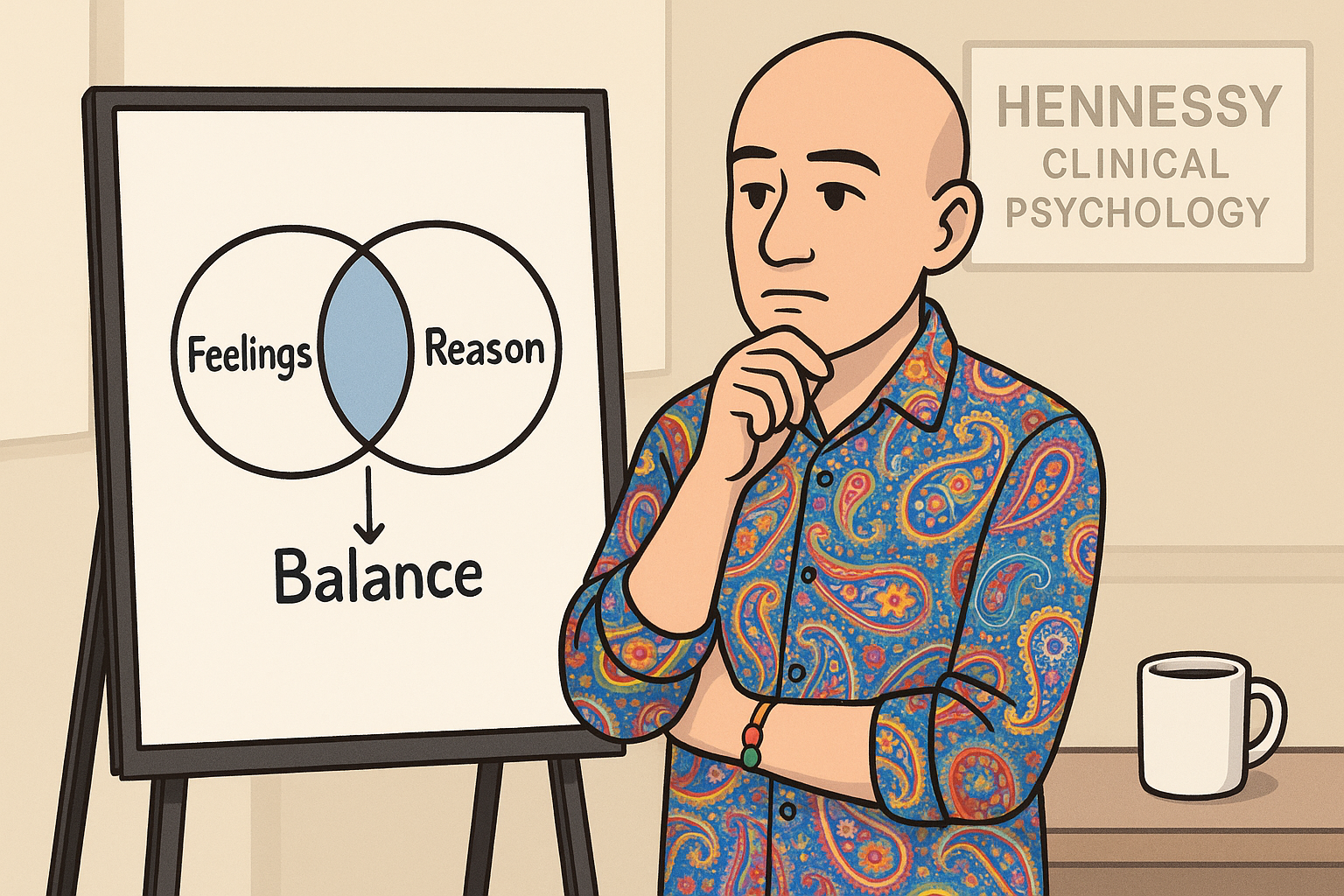
We often think decisions are purely logical. In reality, feelings can influence attention, risk perception, and confidence. Understanding this can support more balanced decision-making.

Compassion, acceptance, and forgiveness are learnable skills that support emotional steadiness and nervous system balance. Research shows they reduce stress, improve mood and sleep, and strengthen resilience. Small, genuine acts can create meaningful shifts in daily life and relationships.
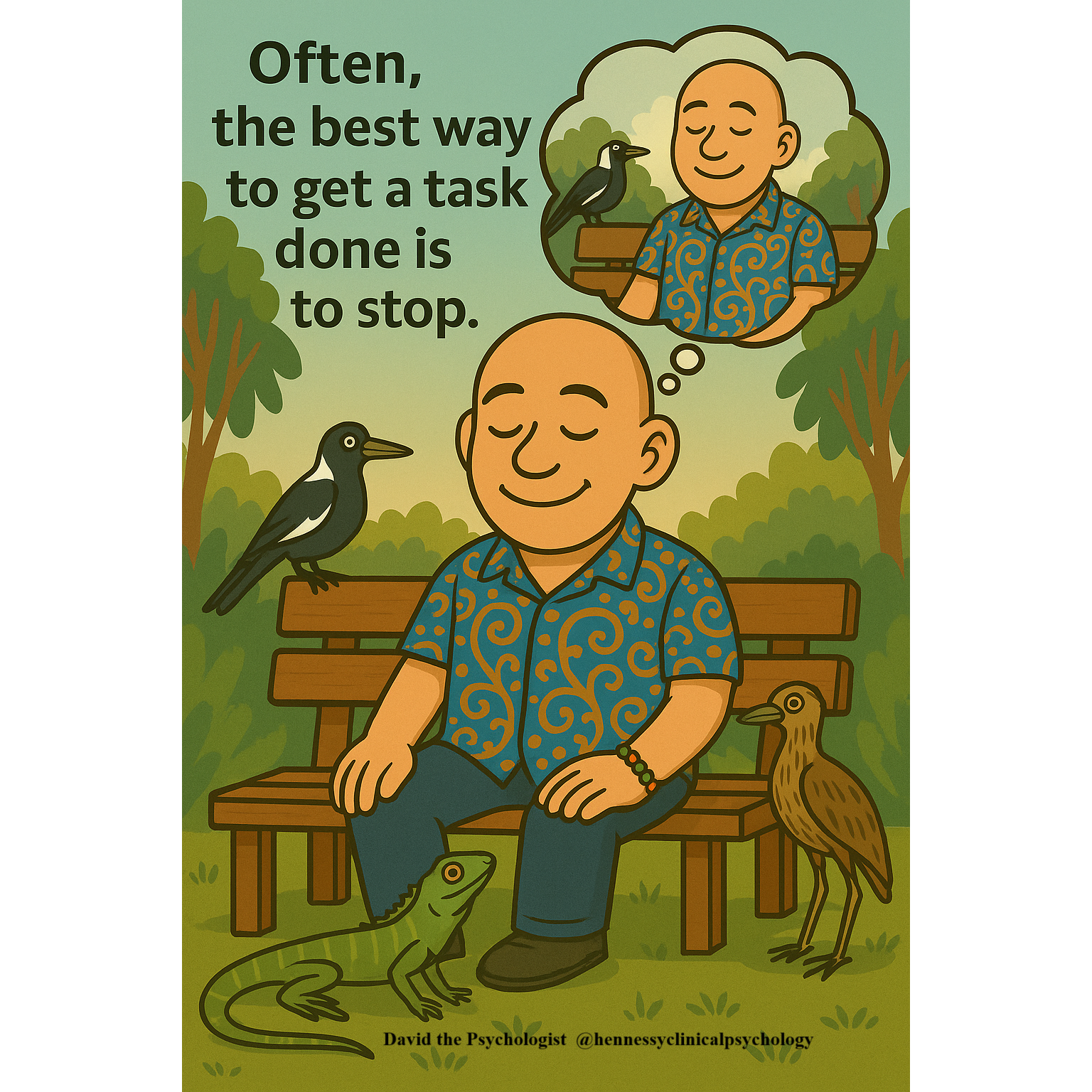
Often, the best way to move forward is to stop. Intentional rest supports clearer thinking, steadier emotions and nervous system recovery. Pausing is sometimes the most productive thing we can do.

Humour can do much more than make us laugh. Humour can support mental health, regulate stress, and foster emotional connection. Learn how laughter influences our brain chemistry and nervous system, and how to intentionally use humour to promote wellbeing.
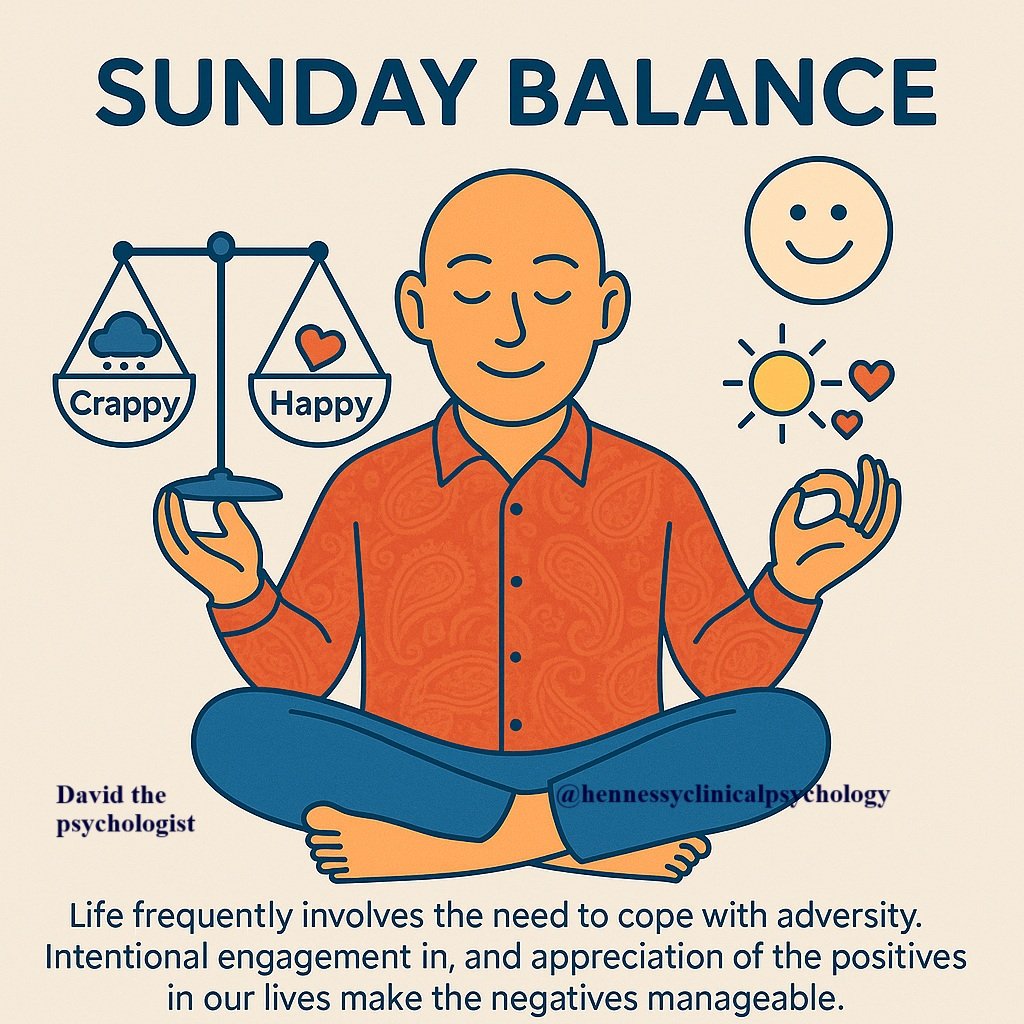
Sunday Balance explores how using Sunday as a reflective pause point can gently counter our natural attentional bias toward threat. Grounded in evidence-based psychology, this practice supports resilience, emotional regulation, and balanced awareness without denying hardship.