Understanding Addiction
Addiction is more than poor willpower. Learn how urges, relief, shame, habits and emotion regulation can keep addiction going.

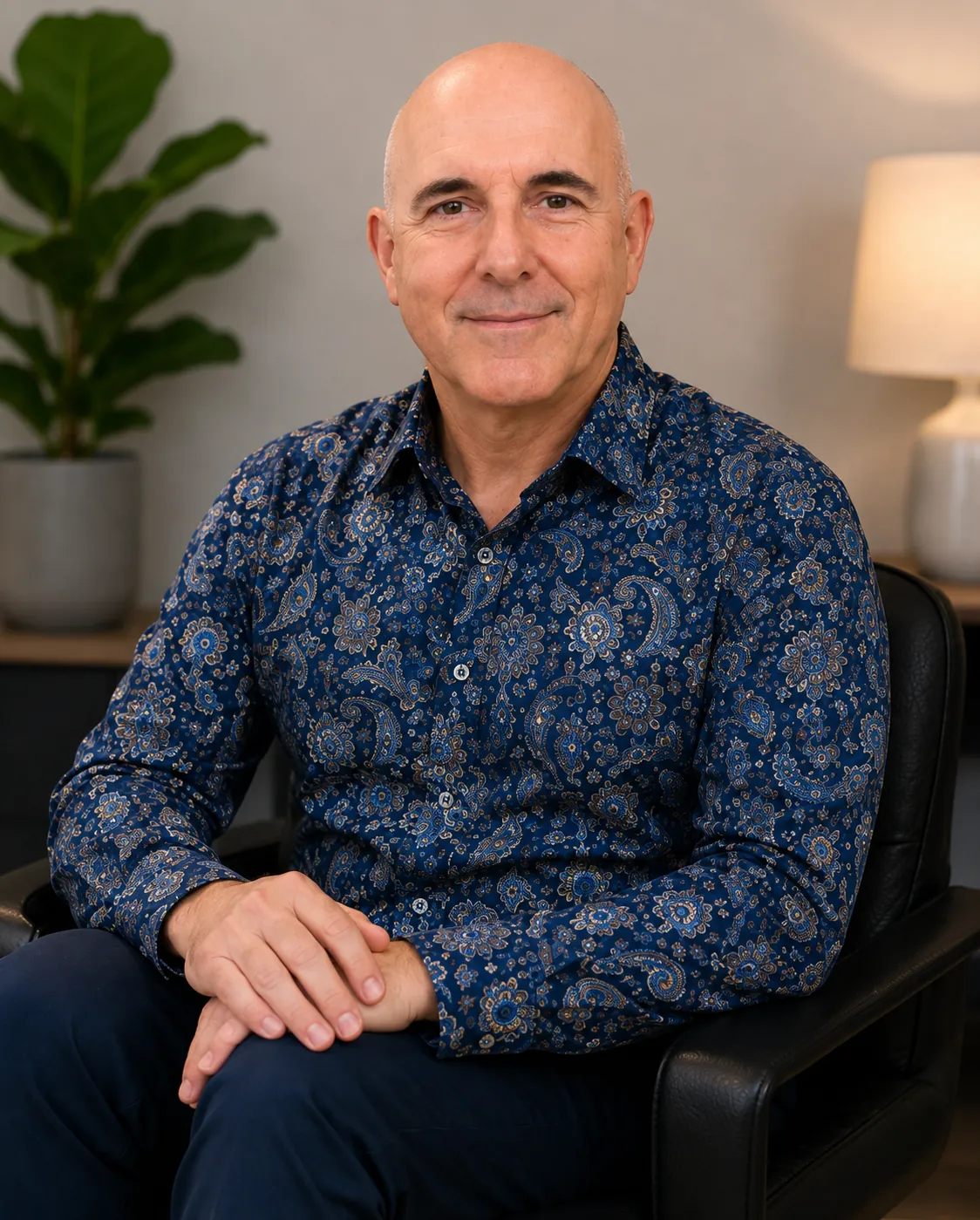
David Hennessy
Clinical Psychologist • Varsity Lakes • Gold Coast
Evidence-based psychology for adolescents and adults seeking support with everyday life difficulties, emotional wellbeing and a broad range of psychological concerns, including anxiety, depression, trauma, grief, chronic pain and neurodiversity-related challenges. Support is also available for people experiencing more persistent or interconnected difficulties that may affect several areas of life.
Therapy is collaborative, practical and tailored to your individual needs, helping you better understand what you are experiencing, develop helpful strategies and work towards meaningful, sustainable change.
View our current appointment availability, funding options and booking information.
Appointments are available in Varsity Lakes on the Gold Coast and via secure telehealth across Australia.
Whether you are experiencing anxiety, depression, trauma, grief, neurodiversity-related challenges, chronic pain, relationship difficulties, sleep problems or other psychological concerns, these resources are here to help you find relevant information and support.
Practical psychology for relationships, communication, self-understanding, motivation, coping and everyday wellbeing.
Assessment and evidence-based therapy for anxiety, panic disorder, OCD, health anxiety, social anxiety, phobias and related concerns.
Neurodiversity-affirming psychology for autistic people, ADHD, giftedness and executive functioning challenges.
Support for depression, bipolar disorder, emotional wellbeing, motivation and adjustment difficulties.
Support for chronic stress, occupational burnout, carer stress and difficulties associated with prolonged demands and limited opportunities for recovery.
Support for PTSD, complex trauma, acute stress, childhood trauma and recovery after difficult life experiences.
Support for grief, bereavement, life transitions, relationship loss and adjusting to major life changes.
Assessment and treatment for insomnia, sleep difficulties and the psychological factors affecting healthy sleep.
Psychological support to help people manage chronic pain, improve functioning and enhance quality of life.
Support for adjusting to chronic illness, medical conditions, health changes and their emotional impact.
Support for acquired brain injury, memory concerns, cognitive changes and neurological conditions affecting daily life.
Support for emotional regulation, personality disorders, impulsive behaviours and developing healthier coping strategies.
Support for alcohol, substance use, gambling, cravings, relapse prevention and long-term behaviour change.
Psychological support for schizophrenia, schizoaffective disorder, psychosis recovery and complex mental health presentations.
Psychological support for adolescents and adults experiencing a range of mental health concerns, life changes, relationship difficulties and health challenges.
Hennessy Clinical Psychology provides therapy for adults and adolescents experiencing a broad range of psychological concerns, including veterans, first responders and NDIS participants.
Psychological support and educational information for therapists, including personal wellbeing, occupational stress and burnout, vicarious trauma, reflective practice and professional learning.
Psychological support for current and former Australian Defence Force personnel. Support may relate to adjustment, anxiety, depression, sleep, relationships, grief, chronic pain, trauma or other concerns, with DVA-funded treatment where eligible.
Psychological support for first responders, including concerns that may or may not be related to work. This can include occupational stress, burnout, sleep difficulties, anxiety, low mood, relationships, critical incidents and trauma-related difficulties.
Psychological support for NDIS participants, tailored to the person’s disability-related functional needs, goals and everyday circumstances.
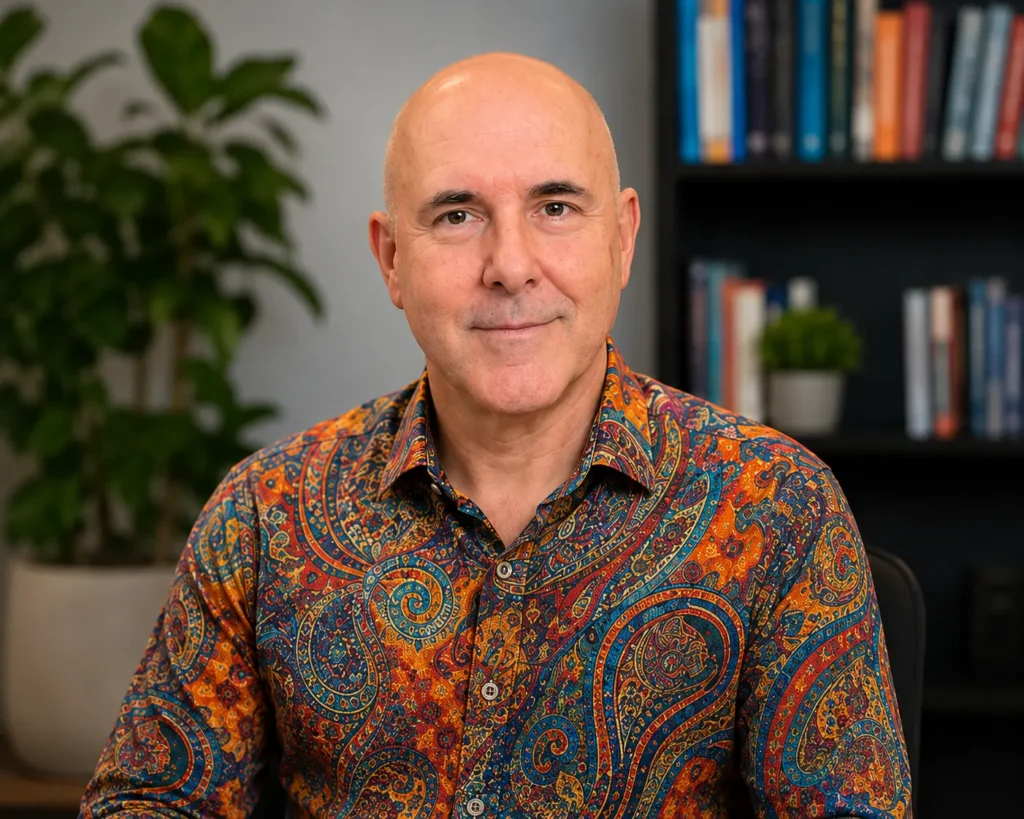
At Hennessy Clinical Psychology, evidence-based assessment and therapy are tailored to adolescents and adults experiencing anxiety, depression, trauma, chronic pain, neurodiversity-related challenges and many other psychological concerns. Therapy combines clinical expertise with a collaborative, practical approach that supports meaningful and lasting change.
Learn more about David’s background, approach to therapy and professional experience.
Different therapy approaches work best for different people and concerns. At Hennessy Clinical Psychology, treatment is tailored to your individual needs and may draw on one or more evidence-based approaches to support meaningful and lasting change.
CBT helps people understand how thoughts, emotions, behaviours and physical responses influence one another while developing practical strategies for change.
ACT helps people respond more effectively to difficult thoughts and emotions while taking meaningful action guided by personal values.
EMDR may help people process distressing memories and reduce the ongoing impact of traumatic experiences.
Mindfulness-based therapy develops present-moment awareness and practical skills to reduce stress and improve emotional regulation.
Trauma-informed therapy emphasises safety, trust and collaboration while recognising how past experiences may affect current coping.
Explore the evidence-based therapy approaches available and how treatment may be tailored to your needs and goals.
Explore practical, evidence-based psychology articles covering anxiety, depression, trauma, neurodiversity, relationships, emotional wellbeing and everyday life.
Addiction is more than poor willpower. Learn how urges, relief, shame, habits and emotion regulation can keep addiction going.
A practical guide to the emotional and psychological impact of living with long-term health conditions, including coping, pacing, acceptance, and support.

Anxiety often affects both the body and the mind. This article introduces four grounding exercises that may help settle the nervous system and bring attention
What kinds of issues does David Hennessy work with?
People seek therapy for many different reasons, and there is no single right starting point. David works with adults experiencing a wide range of psychological concerns, including complex and long-standing mental health presentations, mood and anxiety difficulties, trauma, adjustment to health conditions, and challenges related to life transitions. Importantly, therapy is shaped around the individual rather than applied as a one-size-fits-all approach.
Is therapy suitable even if I am not sure what the main problem is?
Quite often, people arrive feeling unsure or overwhelmed rather than having a clear label. In these situations, early sessions typically focus on slowing things down and understanding what is happening in your life. Over time, this process helps clarify priorities and identify what kind of support may be most helpful.
What is meant by “complex adult mental health presentations”?
In practice, this term refers to situations where difficulties may be long-standing, overlapping, or influenced by multiple factors. For example, trauma history, physical health conditions, neurodiversity, or repeated stressors can interact over time. As a result, therapy often focuses on understanding patterns and building practical, sustainable ways forward rather than aiming for quick fixes.
What approach does David use in therapy?
Rather than relying on a single method, David draws on evidence-based psychological therapies and adapts them to the individual. Along the way, sessions often focus on making sense of experiences, strengthening practical coping skills, and supporting values-based change. This work is paced carefully so that progress feels manageable, realistic, and respectful of each person’s circumstances.
Can a clinical psychologist do the same work as a general psychologist?
In short, yes. Clinical psychologists are trained to provide the same core psychological therapies as general psychologists. In addition, they complete further postgraduate training with a focus on assessment and treatment of more complex and severe mental health difficulties. For most people, however, the quality of the therapeutic relationship matters more than the title alone.
Do clinical psychologists cost more than general psychologists?
Fees can vary depending on location, experience, and the type of service offered. In many cases, clinical psychologists charge higher fees due to their additional postgraduate training. However, Medicare rebates for clinical psychology sessions are also higher, which can reduce the overall out-of-pocket cost. For most people, the best fit depends on individual needs, preferences, and what feels sustainable over time.
Do I need a referral to see a clinical psychologist?
From a practical point of view, you can attend as a private-pay client without a referral. However, if you wish to access Medicare rebates, a Mental Health Treatment Plan from your GP is required.
Seeking psychological support is a significant decision, but you do not need to have everything worked out before making an appointment. Whether you are experiencing anxiety, depression, trauma, relationship difficulties, chronic pain, neurodiversity-related challenges or simply want support navigating life’s difficulties, help is available.
Ready to get started? Book an appointment online for in-person psychology in Varsity Lakes or secure telehealth anywhere in Australia.
Learn about Medicare referrals, consultation fees, Mental Health Treatment Plans, NDIS, DVA, WorkCover and payment information.
Find clinic details, parking information, contact options and everything you need before your first appointment.