Diagnoses/Conditions
What is an Acquired Brain Injury (ABI)?
An Acquired Brain Injury (ABI) is damage to the brain after birth that affects mood, identity, thinking, and relationships. Psychology can support emotional adjustment and recovery.

An Acquired Brain Injury (ABI) is damage to the brain after birth that affects mood, identity, thinking, and relationships. Psychology can support emotional adjustment and recovery.
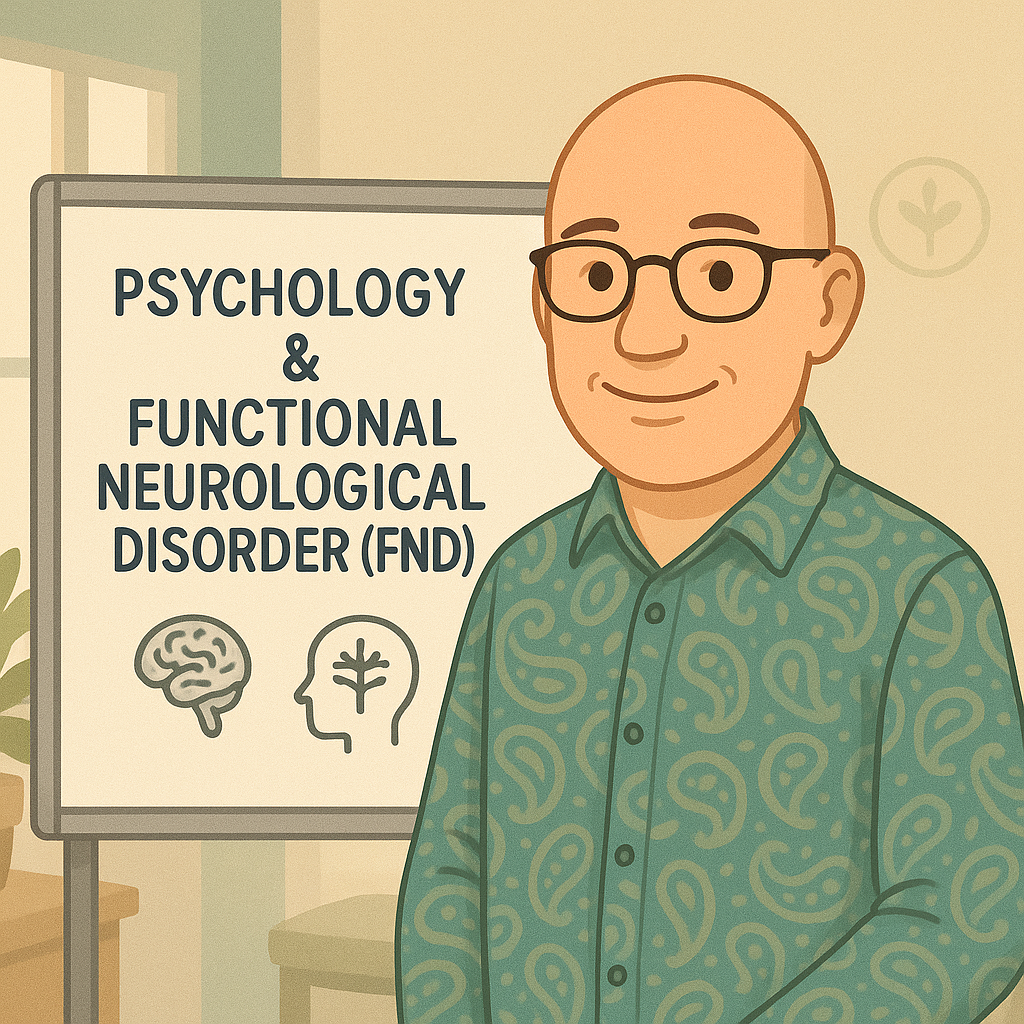
Functional Neurological Disorder (FND) causes real and often distressing neurological symptoms despite no structural damage showing on scans. This post explores how psychologists support recovery using evidence-based therapy, emotional regulation, and trauma-informed, multidisciplinary care.
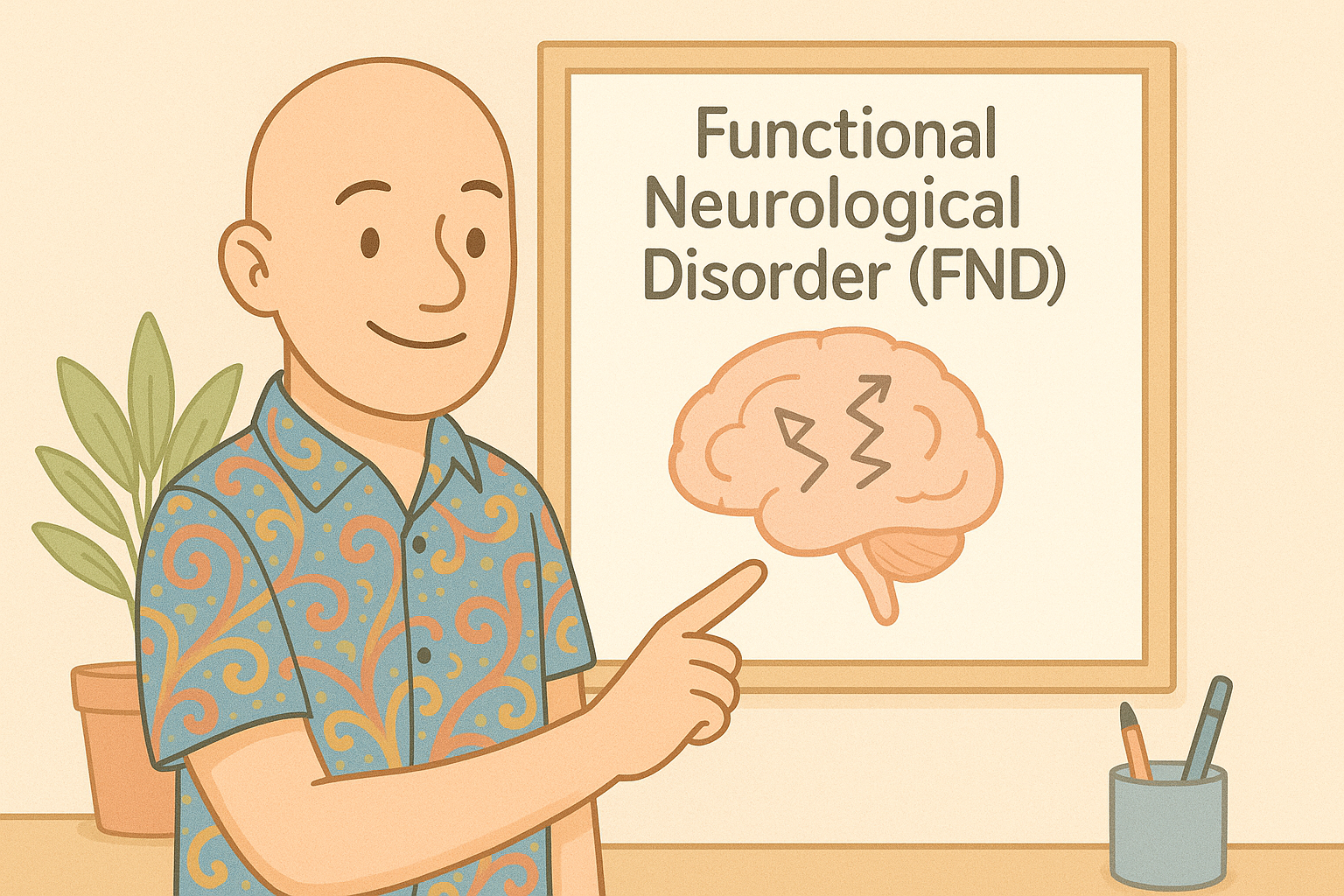
A supportive and evidence informed explanation of Functional Neurological Disorder including symptoms, causes, diagnosis, and current best practice treatment. This post offers a calm and practical overview to help people feel understood and guided in their next steps toward recovery.

Clarifying your values strengthens direction, resilience, and wellbeing. This post explores how identifying what matters most and aligning your actions with your values enhances psychological health and life satisfaction.
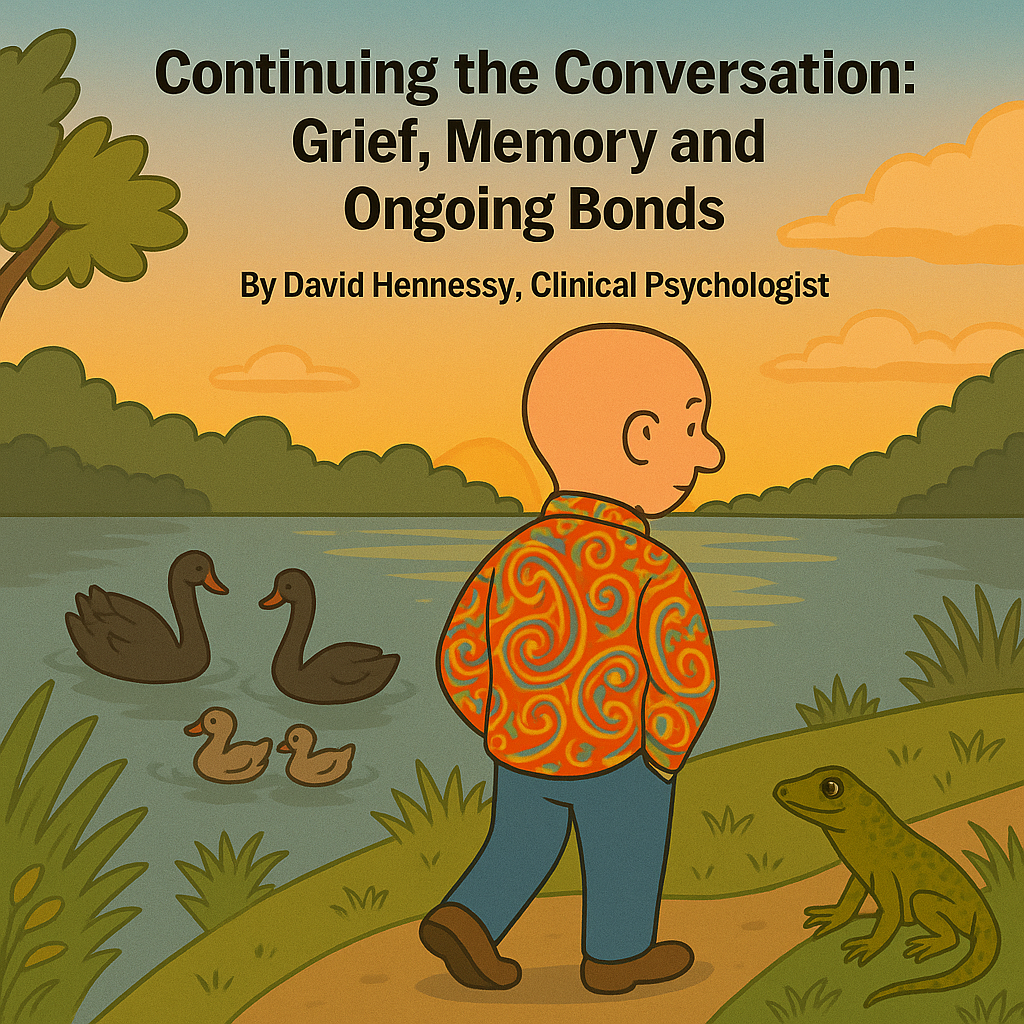
A gentle and evidence based reflection on how we continue conversations with loved ones after they die, through memory, meaning, and ongoing bonds. Includes support resources and local services for prolonged and complex grief.

A gentle introduction to who I work with, who I am, and where I practise. Whether life feels overwhelming or simply a little harder than usual, support is available through evidence based, person centred therapy.
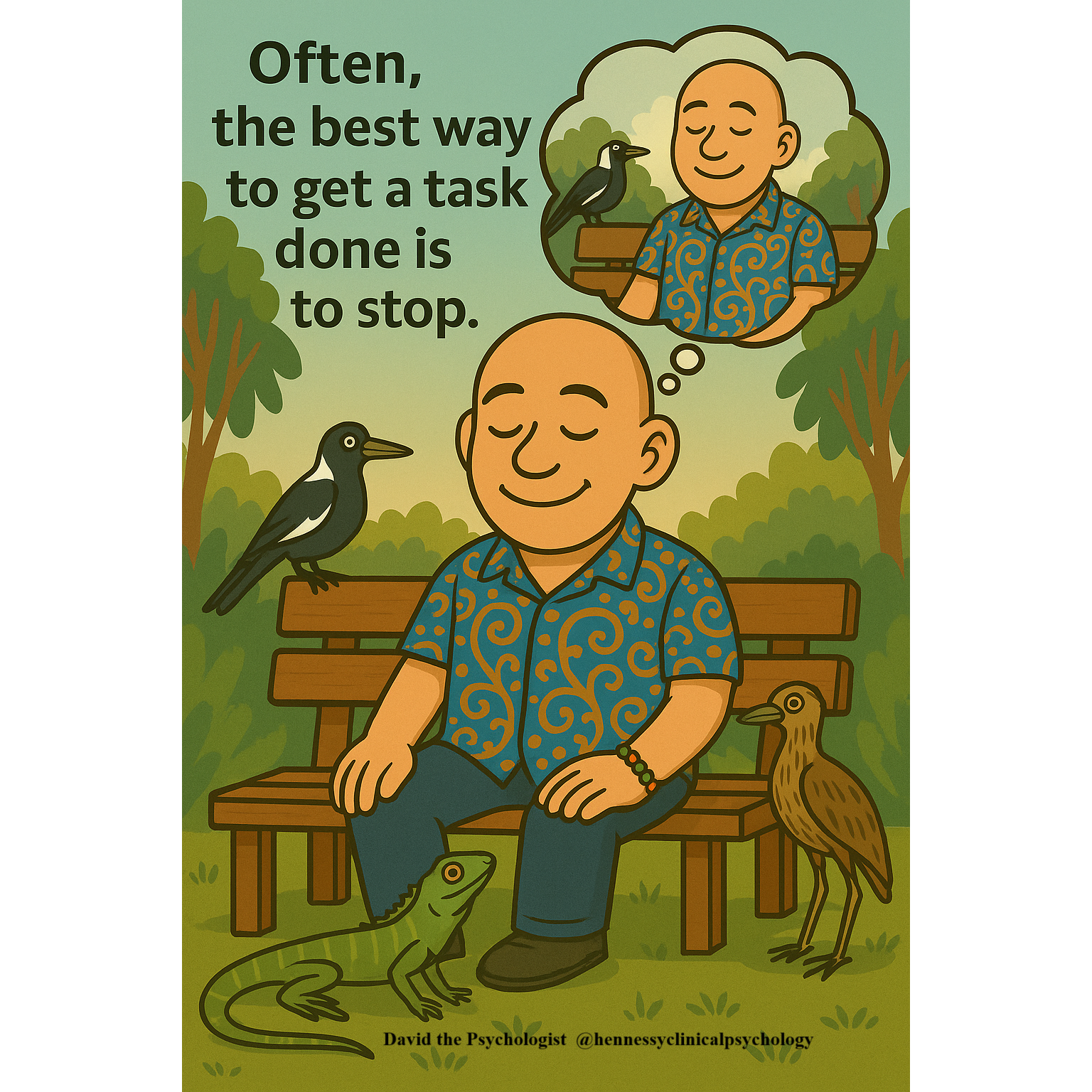
Often, the best way to move forward is to stop. Intentional rest supports clearer thinking, steadier emotions and nervous system recovery. Pausing is sometimes the most productive thing we can do.
Humour can do much more than make us laugh. Humour can support mental health, regulate stress, and foster emotional connection. Learn how laughter influences our brain chemistry and nervous system, and how to intentionally use humour to promote wellbeing.

Mindfulness is not about emptying the mind. It is about learning to notice where attention goes and gently guiding it back. This evidence-based overview explores how mindfulness strengthens emotional regulation, nervous system flexibility, and psychological resilience for adolescents and adults.