
Search

Applied Psychology for Everyday Life

Sunlight breaking through dark clouds over ocean waves at sunrise with two birds standing on wet sand, symbolising balance and hope.
Applied Psychology for Everyday Life

Maintaining a Balanced Narrative Takes Ongoing Attention and Effort

To maintain a balanced internal narrative takes continuous, conscious effort. Our minds default to problem-solving, yet without intentional attention to the pleasantries of life, that bias can drift into rumination, anxiety, and exhaustion. This evidence-based article explores negativity bias, nervous system activation, and practical ways to cultivate long-term psychological balance.


Read More
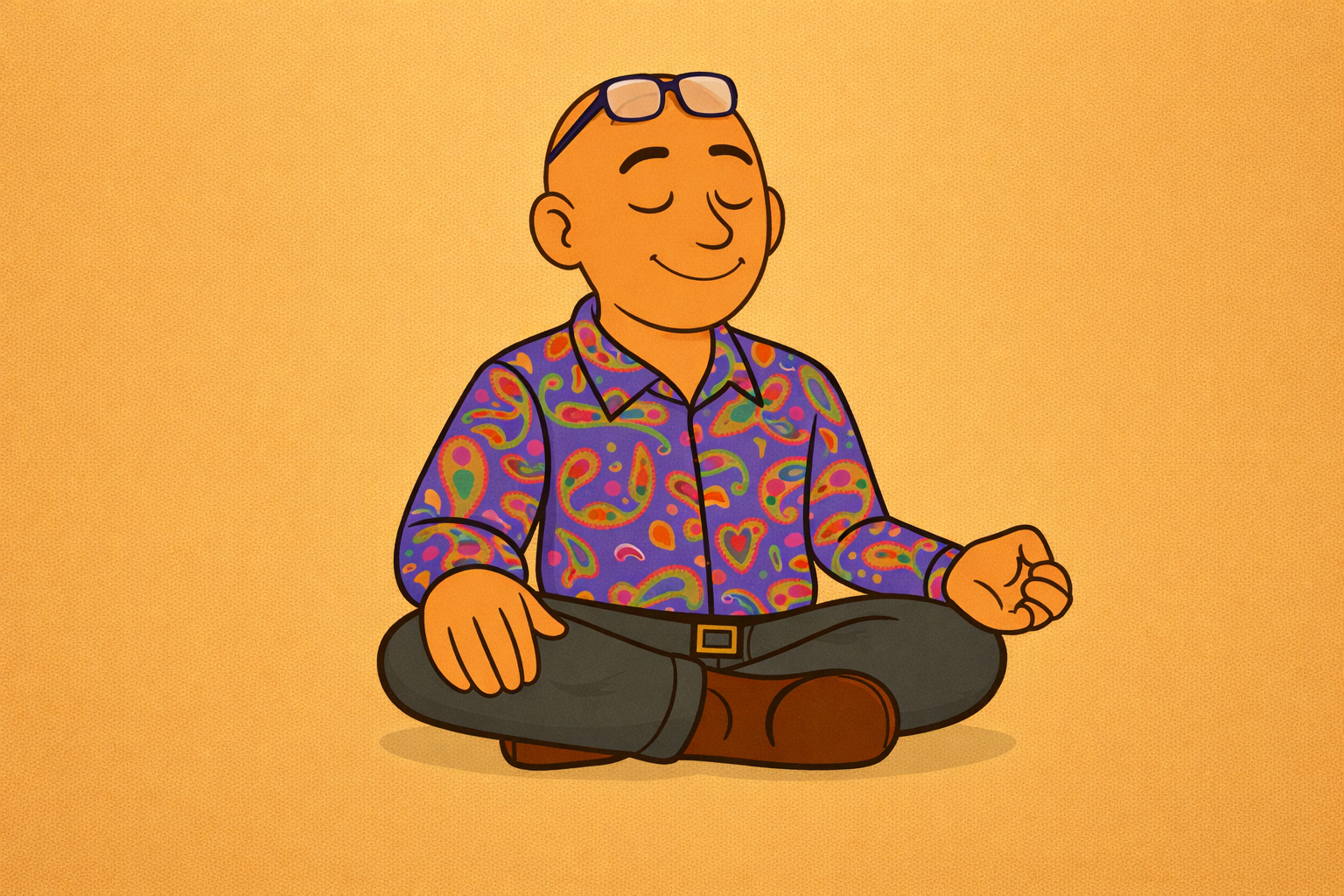
Cartoon illustration of David the psychologist, bald and wearing a colourful paisley shirt, seated cross-legged in a calm mindfulness posture, representing mindfulness and self-compassion practices for wellbeing.
Applied Psychology for Everyday Life

Mindfulness and Self-Compassion Practices for Wellbeing

Mindfulness and self-compassion are evidence-based psychological skills that support emotional regulation, resilience, and wellbeing. This article outlines practical, clinically grounded approaches for adolescents and adults, without oversimplification or false promises.

Read More
Illustration of David the Psychologist seated in his Varsity Lakes clinic with open hands, representing a firm but fair approach to boundaries and relationships. David the Psychologist @hennessyclinicalpsychology
Applied Psychology for Everyday Life

Firm but Fair: A Healthy Guideline for All Relationships

Firm but fair is a simple yet powerful principle for healthier relationships. Being too nice can lead to resentment, while being not nice enough can damage trust. This post explores a balanced and realistic middle path that supports emotional safety, boundaries, and compassion across everyday relationships.

Read More
A wide landscape view from a mountain peak showing blue sky, scattered clouds, and a calm ocean with distant islands, reflecting a sense of balance and spaciousness.
Applied Psychology for Everyday Life

How Happy Is the Typical Person?

People often wonder whether others are happier or more settled than them. This gentle, evidence informed reflection explores how most adults sit in a middle range of happiness, moving between distress and contentment. It introduces radical acceptance and simple daily actions that help cultivate a grounded, sustainable sense of balance.

Read More
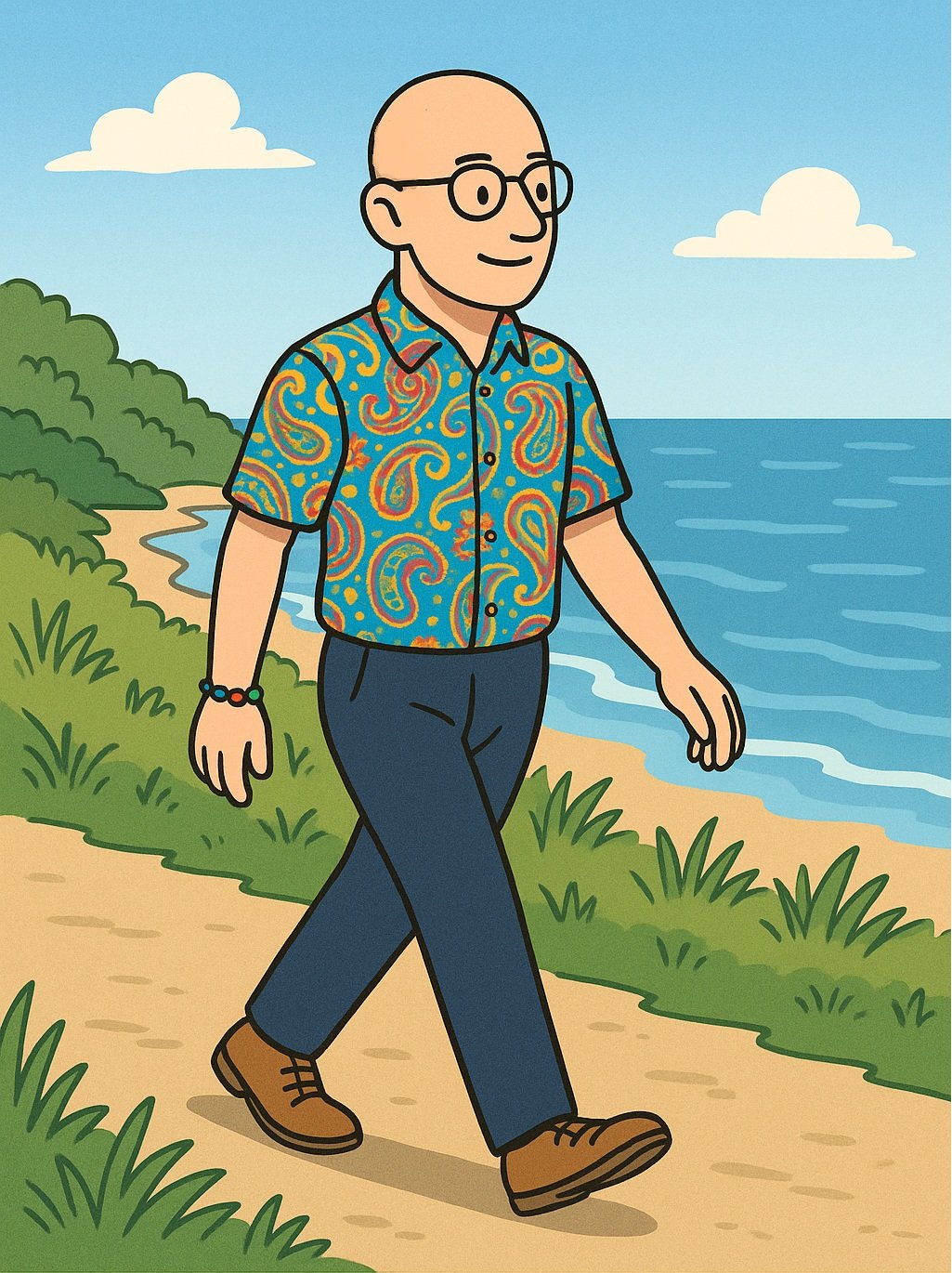
Cartoon image of David the Psychologist, bald with a colourful paisley shirt and bead bracelet, walking along a coastal path beside the ocean, representing the psychological health benefits of regular walking.
Applied Psychology for Everyday Life

Regular Walking and Psychological Health

Regular walking is one of the simplest and most effective ways to support psychological health. This gentle, accessible activity reduces stress, improves mood, and helps regulate thinking. Small, consistent steps create meaningful change over time.

Read More