ABI and Psychology
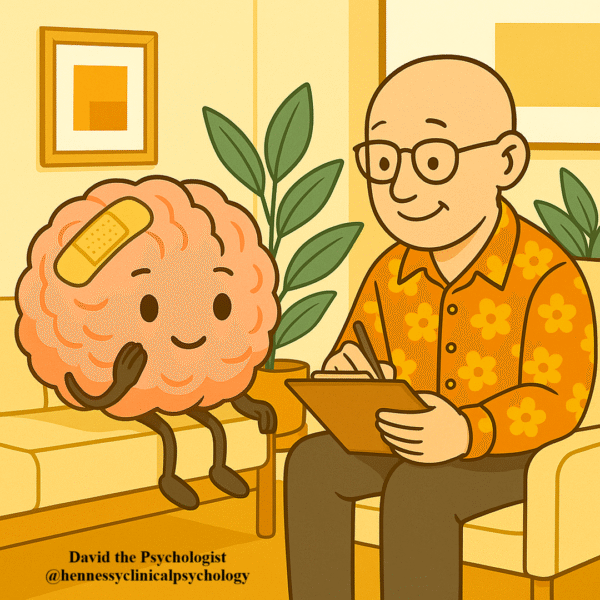
Psychological support is essential in adjusting to life after an Acquired Brain Injury. This article explores how therapy helps people navigate identity changes, emotional challenges, and meaningful recovery.
Psychological support is essential in adjusting to life after an Acquired Brain Injury. This article explores how therapy helps people navigate identity changes, emotional challenges, and meaningful recovery.
An Acquired Brain Injury (ABI) is damage to the brain after birth that affects mood, identity, thinking, and relationships. Psychology can support emotional adjustment and recovery.

Functional Neurological Disorder (FND) causes real and often distressing neurological symptoms despite no structural damage showing on scans. This post explores how psychologists support recovery using evidence-based therapy, emotional regulation, and trauma-informed, multidisciplinary care.

A supportive and evidence informed explanation of Functional Neurological Disorder including symptoms, causes, diagnosis, and current best practice treatment. This post offers a calm and practical overview to help people feel understood and guided in their next steps toward recovery.

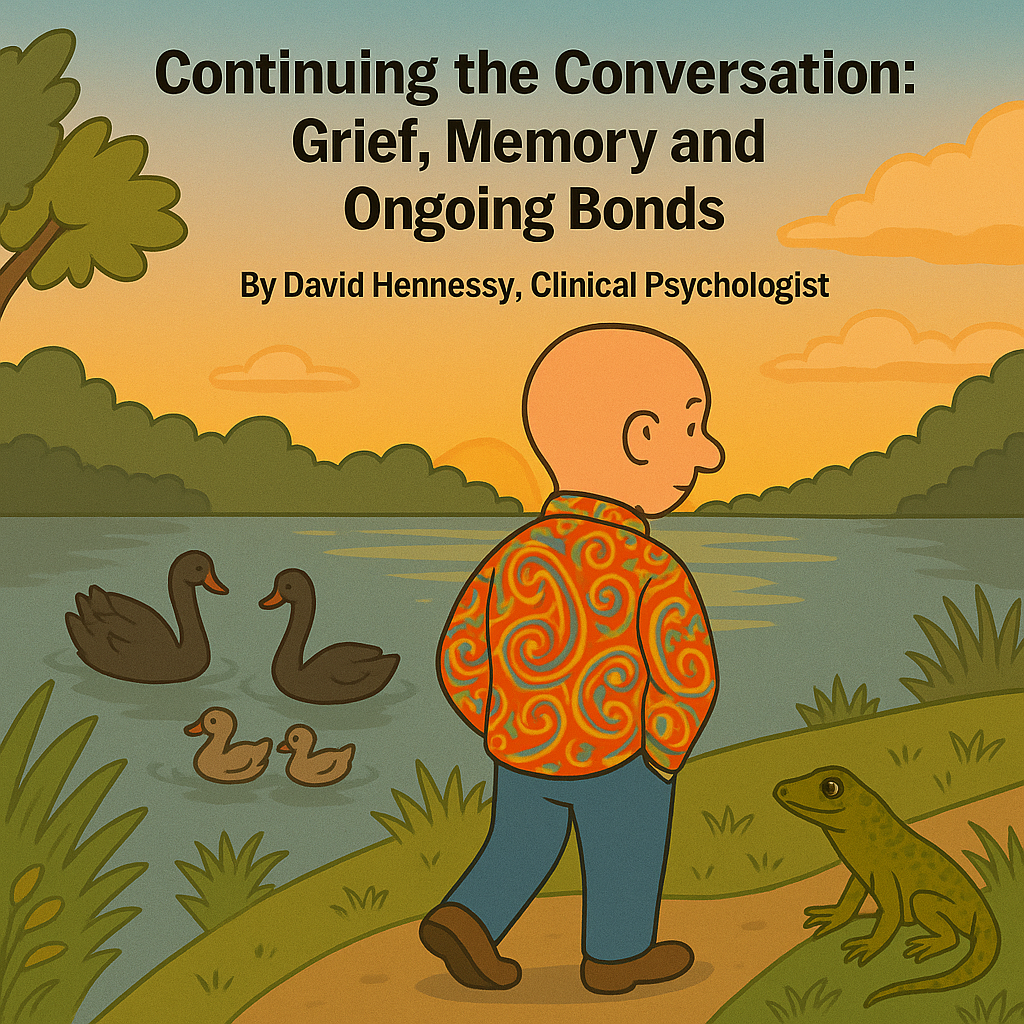
A gentle and evidence based reflection on how we continue conversations with loved ones after they die, through memory, meaning, and ongoing bonds. Includes support resources and local services for prolonged and complex grief.

Complex mental health presentations often involve overlapping diagnoses, trauma histories, longstanding patterns, and experiences such as psychosis or emotional regulation difficulties. This post explores how compassionate and evidence based care can support resilience, meaning, and steady progress for adults living with complex mental health challenges.

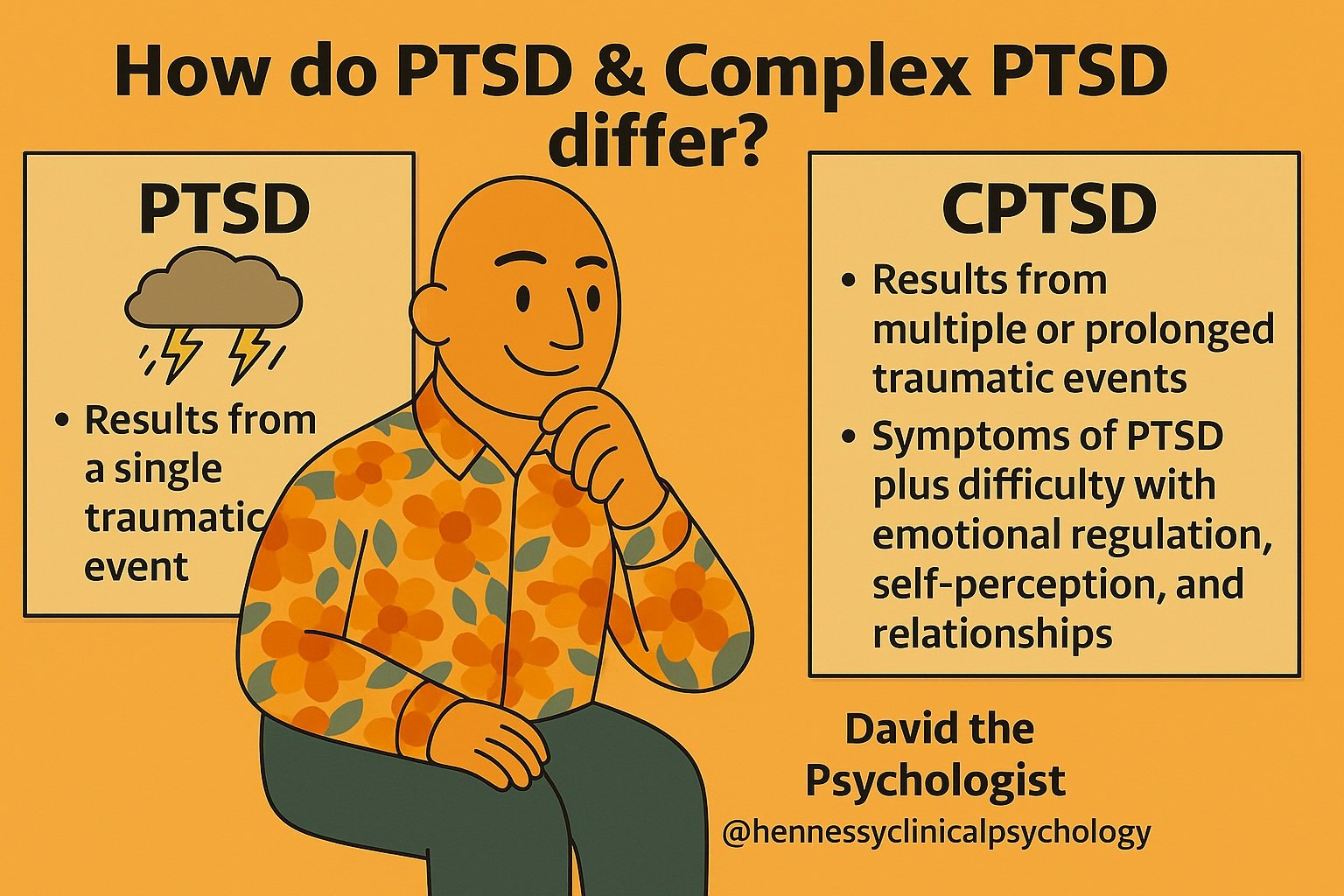
Post Traumatic Stress Disorder and Complex Post Traumatic Stress Disorder may appear similar, yet differ in important ways that affect a person’s emotional experience, relationships, and support needs. This article explains the key differences, symptoms, and evidence based treatment approaches in a clear and compassionate way.