Search

Blog

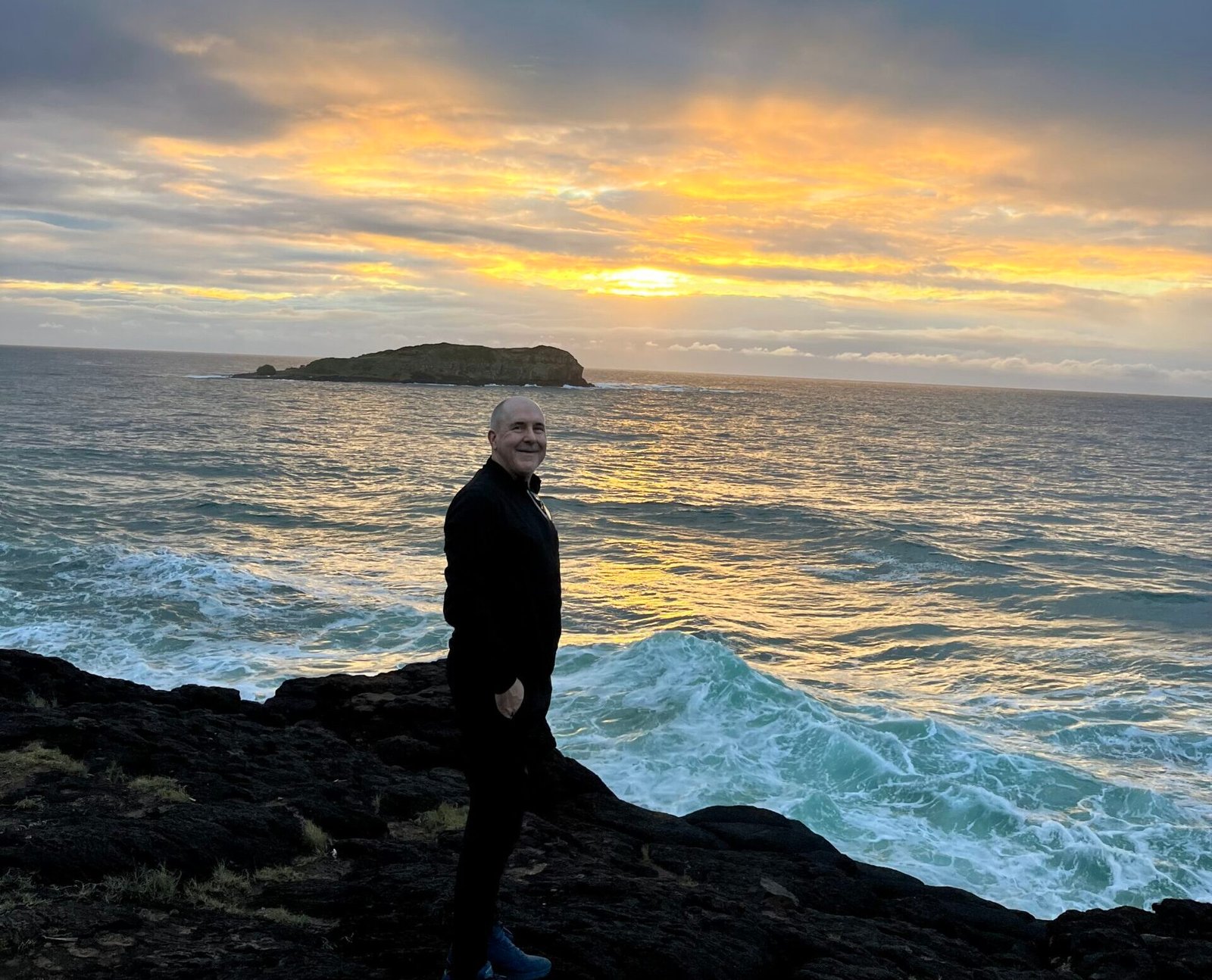
Me time improves work time | David Hennessy sitting quietly on a rocky mountaintop, wearing a patterned dark shirt and bright orange shoes, gazing out over the ocean and distant islands under a clear blue sky. The image represents calm reflection, balance, and the renewal that comes from taking personal time to rest and regain perspective.
Applied Psychology for Everyday Life

Me Time Improves Work Time

Me time is not indulgence; it is maintenance. Taking breaks and allowing your mind to rest improves focus, emotional balance, and long-term productivity. Sustainable productivity comes not from working harder but from working well.

Read More
The Grass Is Always Greener: A calf looking at a tablet that shows greener grass while magpies and a butterfly watch nearby, symbolising the idea that the grass often looks greener elsewhere.
Applied Psychology for Everyday Life

The Grass Is Always Greener

We often imagine that life is better somewhere else, yet lasting contentment grows from tending to the ground beneath our feet.

Read More
David the Psychologist balancing on a mountain peak under a clear blue sky, symbolising mindfulness, perspective, and balance when responding to the inner critic.
Relationships

Why Are Our Inner Voices So Mean and Critical?

Most of us would never speak to a friend the way our inner voice sometimes speaks to us. Yet many people quietly live with harsh and critical self-talk. In this post, Clinical Psychologist David Hennessy explores why our inner dialogue becomes so judgmental and how we can transform it. Drawing on the latest evidence from compassion-focused, acceptance-based, and mindfulness approaches, this article explains how self-criticism often begins as protection and how to build a calmer, kinder inner voice.

Read More
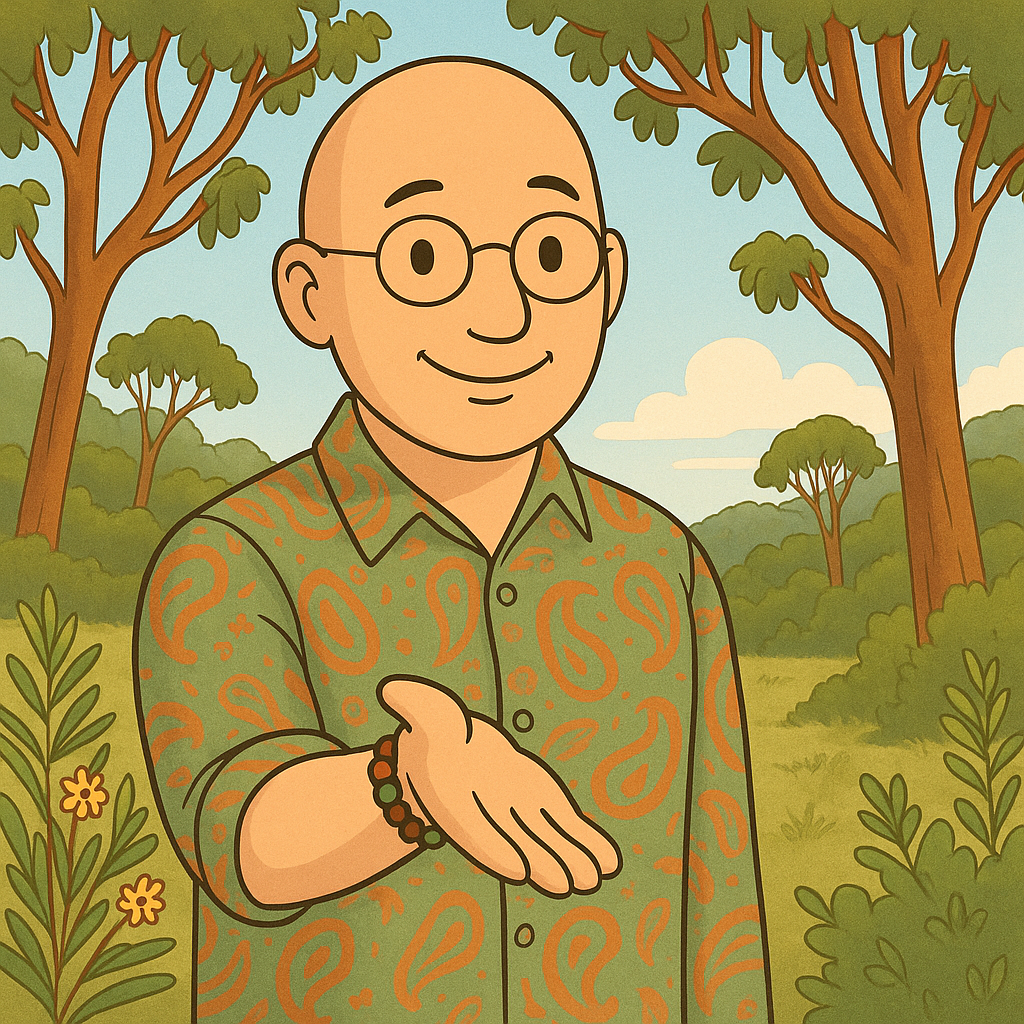
David the Psychologist, bald and wearing a colourful paisley shirt with a bead bracelet on his right wrist featuring one red bead and one green bead, seated thoughtfully and reflecting on human kindness and relationships.
Relationships

Why are we Kind to Strangers and Mean to Loved Ones?

We’re often kinder to strangers than to loved ones. Evidence shows this comes from attachment, emotion regulation, and learned patterns, not lack of care. Understanding these dynamics helps us respond with awareness, compassion, and respect while distinguishing them from domestic or family violence.

Read More
Thoughts are not facts | David the Psychologist smiling with arms outstretched in front of a mural showing a superhero version of himself.
Acceptance & Commitment

Thoughts Are Just Our Minds Making Meaning

Thoughts are invented within our minds. They help us make meaning through comparisons, ideas, fantasies, and possibilities, but they are not to be taken as unquestioned facts or truths. By observing them with caution and care, we create space to act in ways that align with our values rather than being swept along by fear, desire, habit, or old patterns.

Read More
Values-based choices | David the Psychologist, bald and smiling in a colourful paisley shirt, holding an apple in one hand and a book in the other, with the sun setting over the ocean. Subtle text reads: David the Psychologist @hennessyclinicalpsychology.
Acceptance & Commitment

It’s Not the Apple

Apples are healthy, but the most important part is not the apple. Real wellbeing comes from values based choices woven into daily life. Preparing food, moving our body, resting well, and connecting with others are simple but powerful actions. Just schedule the basics, do them, repeat, and discover the consistency that supports lasting health

Read More
Cartoon of David the Psychologist in a colourful paisley shirt, standing beside a whiteboard diagram showing feelings and reason overlapping into balance. He is thoughtful, wearing a bead bracelet, with a coffee mug nearby. Text on the board reads “Feelings + Reason = Balance.”
Thoughts Feelings Behaviours

Feelings Override Reason: Finding Balance in Decision Making

It is common to think we make decisions logically, yet even subtle emotions can shift our choices. Research shows that emotions influence what we notice, the risks we take, and the confidence we feel. Learn practical, evidence-based strategies to balance emotions and reason so your decisions reflect both clarity and what truly matters to you.

Read More