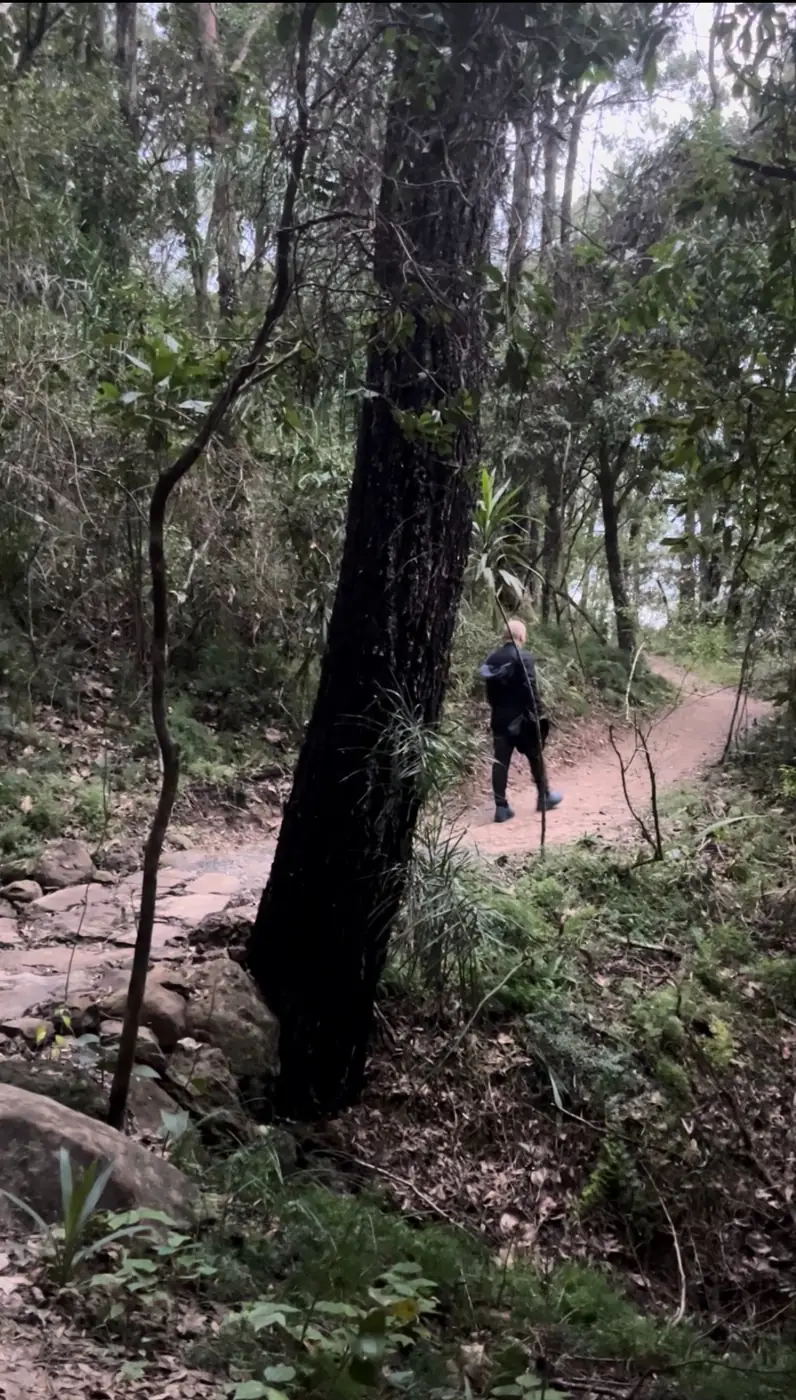
Wise Wednesday: Thoughts flowing mindfully

Flowing with Life. Allow yourself to observe your thoughts as gently flowing leaves on a stream—notice them, but let them pass without attachment.
What is Mindfulness to You?
I often ask, what is mindfulness to you? People often tell me that they have been taught about and use mindfulness, but they struggle to describe what it is, or how it works, or where it benefits them in their lives. Some tell me that mindfulness doesn’t work for them because they can’t pay attention, or they can’t make their mind go blank, or they say something along the lines of “don’t tell me to place my thoughts on a leaf.”
I take great care to explain in a practical way that mindfulness is an intentional practice with multiple latent benefits happening in the background. If not well understood, it can seem like a mystical or abstract concept; it is, however, a deliberate choice to practice paying attention — to tune into what is happening right now, regardless of if it’s uncomfortable or pleasant. It’s the daily act of noticing when your mind has wandered and gently, kindly guiding it back to the here and now. It’s about accepting that our typical experience is a mix between having some conscious control over the focus of our mind while it drifts between thoughts. The meaning-making of our mind has an ongoing reciprocal relationship with our emotions and with the regulation of our autonomic nervous system. With practice, we can learn to have some insightful and intentional self-regulatory control in this process.
Further reading about mindfulness: https://hennessyclinicalpsychology.com/what-is-mindfulness/