Understanding Grief and Loss
Understanding Grief and Loss
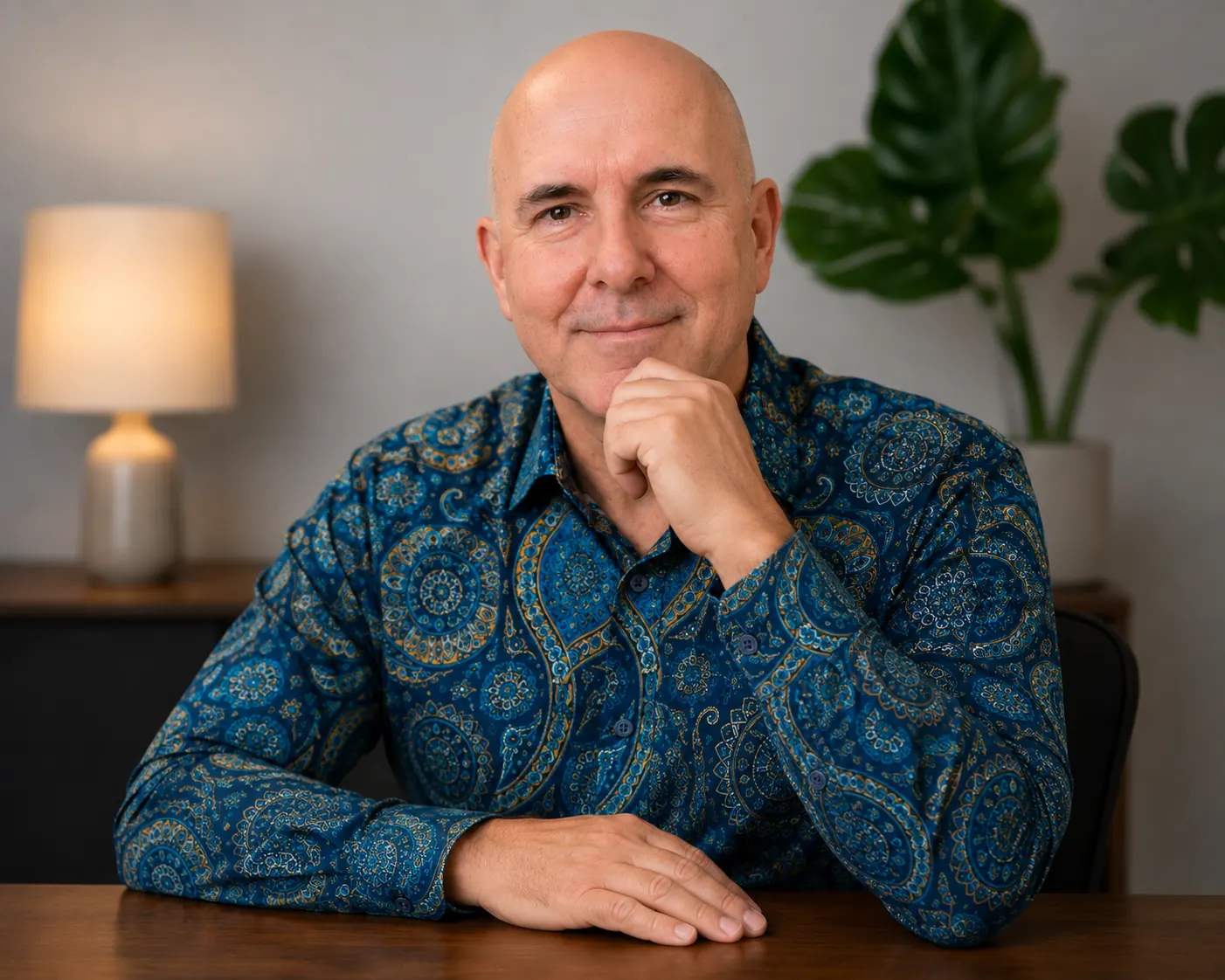
By David Hennessy, Clinical Psychologist, Varsity Lakes, Gold Coast, QLD
Grief is one of the most universal human experiences. Most people will experience grief at some point in their lives following the death of a loved one, the end of an important relationship, changes in health, loss of independence, retirement, relocation, infertility, or other significant life events [1,2].
Although grief can be intensely painful, it is important to understand that grief itself is not a mental disorder. Grief is a natural response to losing someone or something important. Research consistently demonstrates that most people gradually adapt to loss over time without requiring formal psychological treatment [1,3].
In a culture that often encourages people to “move on” quickly, many individuals become concerned that they are grieving incorrectly. In reality, there is no universally correct way to grieve. People’s responses vary according to their personality, culture, relationship with what was lost, previous experiences, social supports, and the circumstances surrounding the loss [2,4].
What Is Grief?
Grief refers to the emotional, cognitive, physical, behavioural, and social responses that can occur following significant loss [1].
Grief may involve:
- Sadness
- Longing or yearning
- Tearfulness
- Anger
- Guilt
- Relief
- Anxiety
- Emotional numbness
- Difficulty concentrating
- Sleep disturbance
- Changes in appetite
- Reduced motivation
- Changes in identity
Many people experience several of these reactions simultaneously. Others may notice their grief changes from day to day.
Importantly, grief is not limited to bereavement. People can grieve many forms of loss, including:
- Relationship breakdown
- Loss of employment
- Serious illness
- Disability or injury
- Loss of independence
- Financial hardship
- Relocation
- Life transitions
- Changes associated with ageing
Most Grief Resolves Naturally
One of the most important findings from grief research is that most people gradually adapt to loss over time [3].
This does not mean they forget the person, relationship, or life circumstance that was lost. Rather, they learn to carry the loss while continuing to engage in life.
Research by Bonanno and colleagues demonstrated that resilience following bereavement is common and often represents the typical pattern of adjustment rather than the exception [3].
People frequently worry that they should be progressing through specific stages of grief. However, modern grief research has found that grief rarely follows a predictable sequence of stages [5]. Instead, grief tends to fluctuate. Many individuals experience periods of intense sadness alongside moments of enjoyment, connection, humour, or normal daily functioning.
These experiences are not signs that a person did not care deeply. They are often signs of natural adaptation.
Common Myths About Grief
Myth 1: Everyone Moves Through the Same Stages
The popular stage model proposed by Kübler-Ross has become widely known. However, contemporary research indicates that grief experiences are highly individual and do not reliably follow a fixed sequence of stages [5].
Myth 2: Grief Should Be Over Within a Certain Time
There is no universal timeline for grief.
While most people gradually adapt, the pace varies considerably. Some losses continue to influence a person’s life for many years.
Myth 3: Strong Emotions Mean Something Is Wrong
Strong emotions are often a normal part of grieving.
Sadness, yearning, anger, regret, confusion, and periods of emotional pain are common responses following significant loss [1].
Myth 4: Moving Forward Means Forgetting
Healthy adaptation does not require forgetting.
Many people maintain ongoing emotional connections, memories, traditions, and meaningful bonds with those they have lost while continuing to live fulfilling lives [6].
Continuing Bonds and Healthy Adaptation
Older theories often suggested that successful grieving required “letting go” of the deceased person. More recent research challenges this assumption [6].
The Continuing Bonds perspective proposes that many people maintain healthy and meaningful psychological connections with loved ones who have died. These connections may include:
- Remembering important life lessons
- Continuing traditions
- Reflecting on shared experiences
- Drawing strength from memories
- Feeling emotionally connected during significant life events
Research suggests these ongoing bonds are often compatible with healthy adjustment rather than evidence of unresolved grief [6].
When Grief Becomes More Difficult
Although most people gradually adapt to loss, some individuals experience persistent and severe grief reactions that significantly interfere with daily functioning [7].
Warning signs may include:
- Persistent intense yearning or emotional pain
- Severe disruption to work, relationships, or daily activities
- Difficulty accepting the loss over an extended period
- Marked social withdrawal
- Persistent feelings that life has no meaning or purpose
- Significant impairment that remains largely unchanged over time
In these situations, professional psychological support may be beneficial [7,8].
Psychological Therapy for Grief
Therapy is not designed to eliminate grief or erase memories.
Instead, therapy may help people:
- Understand grief processes
- Process difficult emotions
- Navigate major life adjustments
- Develop coping skills
- Address trauma associated with a loss
- Reconnect with meaningful activities
- Strengthen social supports
- Explore values and purpose moving forward
Evidence-based approaches may include supportive psychotherapy, Cognitive Behavioural Therapy (CBT), Acceptance and Commitment Therapy (ACT), mindfulness-based approaches, and grief-focused interventions where appropriate [8].
Grief and Adjustment Following Life Changes
Many losses involve significant changes in identity, roles, routines, and future expectations.
For example:
- Retirement may involve loss of professional identity.
- Illness may involve loss of physical capacity.
- Relationship separation may involve loss of shared plans.
- Relocation may involve loss of community and belonging.
Adjustment involves learning to navigate these changes while continuing to engage with valued aspects of life.
This process often unfolds gradually rather than all at once.
Seeking Support
Most grief resolves naturally through time, support, adaptation, and engagement with life [1,3].
However, seeking support is not a sign of weakness. Many people benefit from speaking with trusted family members, friends, community supports, or a psychologist during difficult periods.
Support can provide space to process emotions, understand experiences, and navigate significant life transitions while honouring what has been lost.
Frequently Asked Questions
Is grief a mental illness?
No. Grief is generally considered a normal and natural response to loss [1].
How long does grief last?
There is no universal timeframe. Most people gradually adapt over time, although memories and feelings connected to a loss may remain important throughout life [1,3].
Is it normal to still feel sad years later?
Yes. Many people continue to experience sadness or longing at anniversaries, birthdays, or significant life events. This does not necessarily indicate a problem.
Should I seek therapy immediately after a loss?
Not necessarily. Most people adapt naturally. Therapy may be helpful when grief becomes overwhelming, prolonged, or significantly interferes with daily functioning [7,8].
Can grief occur after events other than death?
Yes. People commonly grieve relationship loss, illness, disability, retirement, relocation, infertility, loss of independence, and many other life changes.
Related Services
- Therapy for Grief, Loss and Adjustment in Varsity Lakes, Gold Coast QLD
- Life Transition Support
- Relationship Loss Support
- Illness and Loss Support
References
[1] Stroebe, M., Schut, H., & Boerner, K. (2017). Cautioning health-care professionals: Bereaved persons are misguided through the stages of grief. Omega: Journal of Death and Dying, 74(4), 455–473. https://doi.org/10.1177/0030222817691870
[2] Bonanno, G. A., & Kaltman, S. (2001). The varieties of grief experience. Clinical Psychology Review, 21(5), 705–734. https://doi.org/10.1016/S0272-7358(00)00062-3
[3] Bonanno, G. A. (2004). Loss, trauma, and human resilience. American Psychologist, 59(1), 20–28. https://doi.org/10.1037/0003-066X.59.1.20
[4] Stroebe, M., Hansson, R. O., Schut, H., & Stroebe, W. (Eds.). (2008). Handbook of Bereavement Research and Practice. American Psychological Association.
[5] Maciejewski, P. K., Zhang, B., Block, S. D., & Prigerson, H. G. (2007). An empirical examination of the stage theory of grief. JAMA, 297(7), 716–723. https://doi.org/10.1001/jama.297.7.716
[6] Klass, D., Silverman, P. R., & Nickman, S. L. (1996). Continuing Bonds: New Understandings of Grief. Taylor & Francis.
[7] Prigerson, H. G., Boelen, P. A., Xu, J., Smith, K. V., & Maciejewski, P. K. (2021). Validation of the new DSM-5-TR criteria for prolonged grief disorder and the PG-13-Revised (PG-13-R) scale. World Psychiatry, 20(1), 96–106. https://doi.org/10.1002/wps.20823
[8] Johannsen, M., Damholdt, M. F., Zachariae, R., Lundorff, M., Farver-Vestergaard, I., & O’Connor, M. (2019). Psychological interventions for grief in adults. Journal of Affective Disorders, 253, 69–86. https://doi.org/10.1016/j.jad.2019.04.065
Enquiries and Appointments
We are a Gold Coast Clinical and General Psychologist clinic conveniently positioned in Varsity Lakes.
Therapy is available in person at Varsity Lakes or via telehealth anywhere in Australia.
The easiest way to book an appointment is online.