
Regular Walking and Psychological Health
By David Hennessy, Clinical Psychologist, Varsity Lakes, Gold Coast, QLD
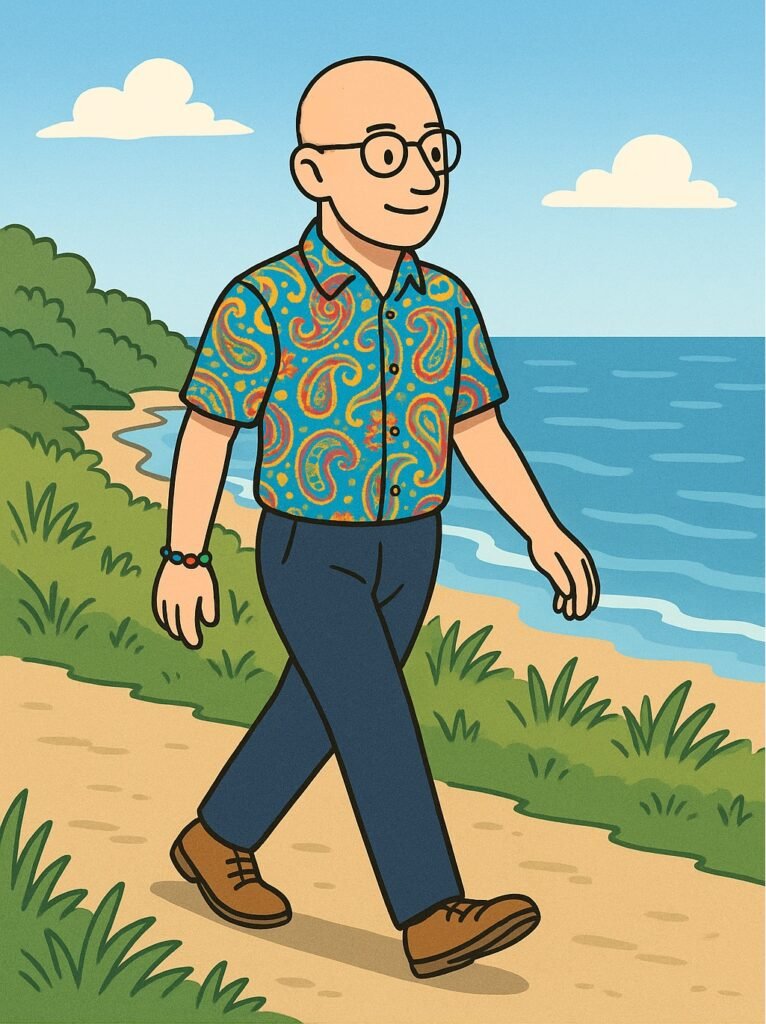
David the Psychologist @hennessyclinicalpsychology
Regular Walking and Psychological Health
Walking is one of the most accessible and effective health behaviours available to us. As someone who has spent years working as a clinical psychologist and, before that, years as a tradesman relying on daily physical effort, I have seen the value of simple, repeatable actions that support wellbeing. Walking is one of those actions. It is physically gentle, psychologically grounding, and available to many people regardless of age or fitness level.
Regular walking is not a cure all, but it is a powerful contributor to mental health. Evidence has shown that even modest levels of physical activity can reduce the risk of depression and support emotional wellbeing (2, 4). The beauty of walking is its generalisability. Many people can benefit from it, and the benefits accumulate through small, consistent steps.
Why Walking Helps Psychological Health
A Calm Body Supports a Calmer Mind
Gentle physical movement helps regulate the autonomic nervous system, shifting the body away from heightened stress responses and toward steadier states. This is one reason many people feel clearer and more settled during and after a walk. Even short ten minute walks can reduce physiological tension and improve mood (2, 4).
Walking Creates Mental Space
Walking creates a steady, predictable rhythm. This rhythm can reduce mental noise, soften worry, and support more spacious thinking. Nature based walking, when accessible, adds further benefit by reducing cognitive load and enhancing attention restoration (1, 3).
Supports Cognitive Function and Attention
Research indicates that regular physical activity, including walking, supports executive functioning, attention, and working memory (4). Clients who feel overwhelmed, foggy, or stuck often report clearer thinking after incorporating brief daily walks.
Connection, Community, and Nature
Walking with others supports social connection, which is a strong protective factor for mental health across the lifespan. Nature based walking offers additional benefits, including lower stress and improved mood (1, 3).
A Values Consistent Caring Behaviour
For many people, walking represents more than exercise. It becomes an act of self respect and a values consistent health behaviour. Rather than waiting for motivation, walking can become a reliable way of caring for oneself gently and consistently.
Practical Ways to Begin
- Start small, for example five to ten minutes a day
- Choose consistency over intensity
- Pair your walk with music or a favourite podcast
- Walk in nature when it is accessible (1, 3)
- Walk with a friend, family member, or support worker
- Notice how you feel before and after each walk to build insight and motivation
Walking is not about perfection. It is about small, steady actions that support wellbeing over time. For some people this might be a slow stroll to the letterbox or around the block. For others it may be a longer walk by the water. The key is choosing a pattern that is realistic and sustainable for you.
Frequently Asked Questions
How much walking is needed to support psychological health?
Even small amounts of regular walking, such as ten minutes per day, can support mood, reduce stress, and improve emotional wellbeing.
Does walking need to be intense to be beneficial?
No. Gentle and consistent walking is sufficient to support mental health. Consistency matters more than intensity.
Is walking in nature better for psychological health?
When accessible, walking in natural environments can provide additional psychological benefits, including reduced cognitive fatigue and improved mood.
Can walking help with anxiety or low mood?
Regular walking supports nervous system regulation and has been associated with reduced symptoms of anxiety and depression.
What if motivation is low?
Walking can be a low pressure and accessible starting point for caring for mental health when motivation is reduced.
Enquiries and Appointments
We are a Gold Coast Clinical and General Psychologist clinic conveniently positioned in Varsity Lakes.
Therapy is available in person at Varsity Lakes or via telehealth anywhere in Australia.
The easiest way to book an appointment is online.