
COMPLEX PTSD THERAPY
Psychological therapy for adolescents and adults experiencing complex post-traumatic stress disorder (Complex PTSD), with treatment tailored to trauma-related difficulties involving emotional regulation, self-concept, relationships and everyday functioning.
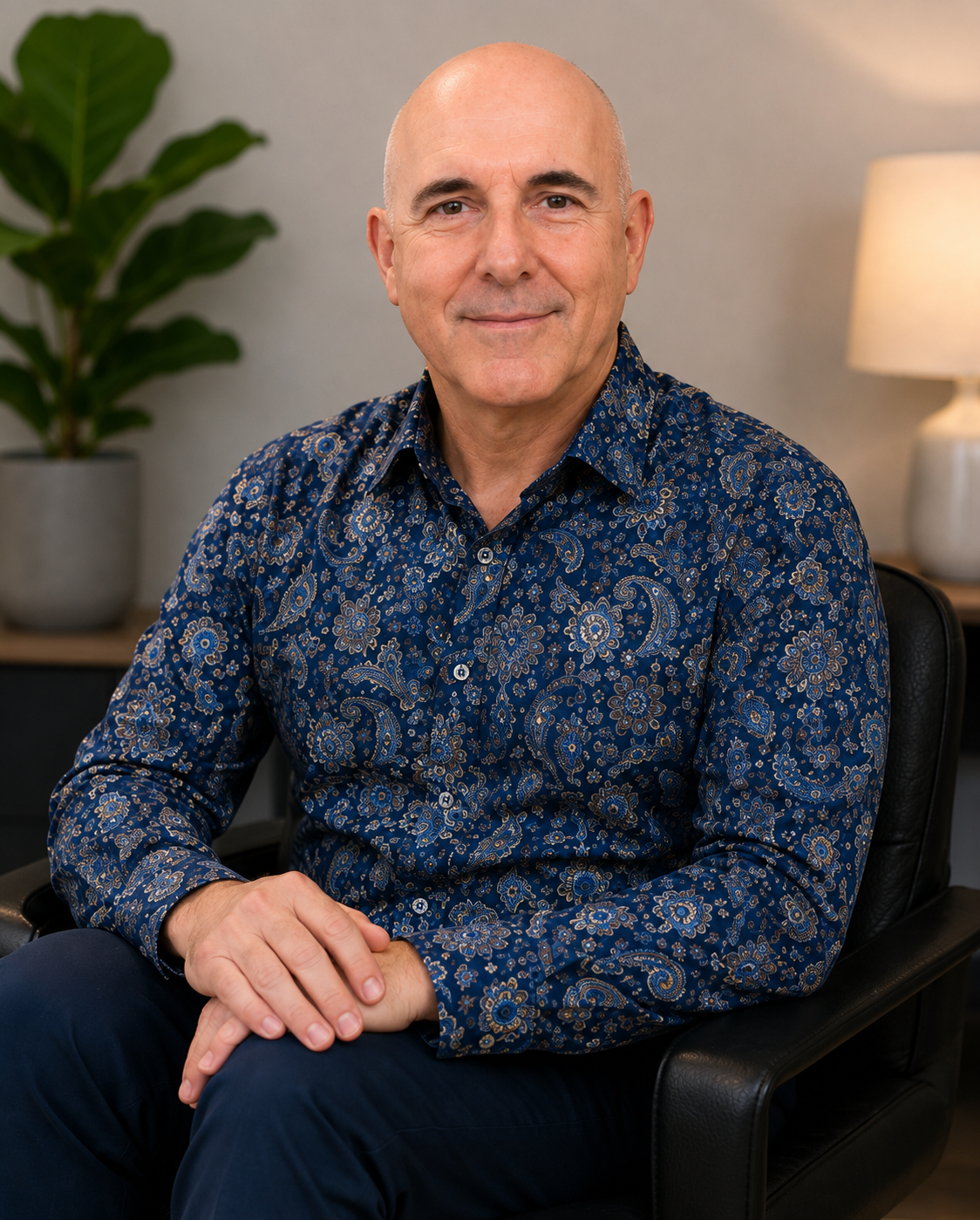
Appointments are available in person with Clinical Psychologist David Hennessy in Varsity Lakes on the Gold Coast and by secure telehealth across Australia.
Complex post-traumatic stress disorder can occur following prolonged, repeated or difficult-to-escape traumatic experiences. It includes the core features associated with PTSD and may also involve persistent difficulties with emotional regulation, a negative or diminished sense of self, and relationships with other people.
People can experience Complex PTSD in different ways. Difficulties may affect trust, safety, emotional responses, self-worth, relationships, sleep, concentration and participation in everyday life.
Psychological therapy can help develop an individual understanding of these patterns and provide a structured, collaborative approach to recovery. Treatment is tailored to the person’s history, current circumstances, strengths, needs and readiness.
Complex PTSD can involve the familiar trauma-related difficulties seen in PTSD, together with broader and more persistent difficulties in emotional and interpersonal functioning.
Some people may experience:
These experiences can occur for many reasons and do not by themselves establish a diagnosis of Complex PTSD. Psychological assessment can help clarify the pattern of difficulties and identify appropriate treatment priorities.
Therapy for Complex PTSD is not simply a matter of revisiting traumatic experiences.
Early work commonly focuses on understanding the person’s current difficulties, developing an individual psychological formulation and identifying priorities that are workable and meaningful.
Depending on individual needs, therapy may help a person:
The pace and sequence of treatment should reflect the individual rather than a fixed formula.
Complex PTSD can affect several areas of psychological functioning at the same time. Treatment may therefore involve a combination of stabilisation, skills development, trauma-focused work and changes in everyday patterns.
Therapy may begin by developing a shared understanding of current difficulties, trauma responses, triggers, strengths and existing coping strategies. A clear formulation can help treatment remain purposeful rather than becoming an open-ended retelling of past experiences.
Where strong emotions, shutdown or physiological arousal are prominent, therapy may include practical strategies for recognising and responding to these states more effectively.
Long-term traumatic experiences can contribute to persistent beliefs of worthlessness, defectiveness, responsibility or shame. Therapy may help examine these patterns and develop a more balanced and workable relationship with the self.
Complex trauma can influence expectations of other people, closeness, trust, conflict and personal boundaries. Therapy can explore these patterns and support safer, more flexible ways of relating to others.
Direct work with traumatic memories may form part of treatment when it is clinically appropriate and the person is sufficiently prepared. This work is collaborative and paced according to individual needs rather than requiring immediate disclosure or processing of every traumatic experience.
Complex PTSD treatment should be guided by assessment and formulation rather than by applying one therapy model to every person. Depending on the presentation, preferences and treatment goals, therapy may draw on several evidence-based approaches.
Trauma-focused cognitive behavioural approaches can help identify and modify patterns of avoidance, threat appraisal, beliefs and behaviour associated with traumatic experiences.
Eye Movement Desensitisation and Reprocessing may be used for trauma-related memories and associated distress when clinically appropriate.
ACT may help develop greater psychological flexibility and support meaningful action in the presence of difficult thoughts, memories and emotions.
Mindfulness-based strategies may support awareness of internal experiences and help reduce automatic reactions to distressing thoughts, emotions and physical sensations.
Explore the broader therapy approaches used across Hennessy Clinical Psychology.
Complex PTSD is not defined only by what happened in the past. Treatment also considers how trauma-related patterns are affecting the person’s life now.
Assessment and formulation may consider emotional regulation, relationships, self-concept, avoidance, physical arousal, sleep, coping patterns, current stressors, strengths and functional impact.
Complex PTSD may also occur alongside anxiety, depression, chronic pain, sleep disturbance, grief, substance use or other psychological and physical health difficulties.
Where appropriate and with consent, psychological treatment may be coordinated with a GP, psychiatrist or other treating health professionals.
David Hennessy is a Clinical Psychologist providing evidence-based psychological assessment and therapy for adolescents and adults.
His approach is collaborative, practical and tailored to the individual. Complex trauma-related difficulties are approached with particular attention to safety, pacing, emotional regulation, relationships, personal agency and individual readiness.
Treatment aims to develop a useful understanding of current patterns and support changes that are meaningful in everyday life.
Learn more about David’s background, clinical experience and approach to psychological therapy.
In-person psychology appointments are available at Hennessy Clinical Psychology in Varsity Lakes on the Gold Coast.
Secure telehealth appointments are also available throughout Australia where telehealth is clinically appropriate.
You do not need to have a confirmed Complex PTSD diagnosis before making an appointment. People sometimes seek psychological support because they recognise long-standing trauma-related difficulties with emotions, self-concept or relationships but are unsure how these experiences are best understood.
Early sessions can help clarify the pattern of difficulties and identify appropriate treatment priorities.
This page focuses specifically on psychological therapy for Complex PTSD. Broader explanations of PTSD, Complex PTSD and trauma are kept within the educational and hub content so that this service page retains a clear treatment intent.
Explore the main Trauma & PTSD hub for the broader trauma service and educational content cluster.
Use the Trauma & PTSD educational cluster for a detailed explanation of the similarities and differences between PTSD and Complex PTSD.
For treatment focused on PTSD without making Complex PTSD the primary service intent, use the PTSD service pathway from the Trauma & PTSD hub.
Learn about EMDR as a specific trauma-focused psychological treatment approach.
Common questions about psychological therapy for Complex PTSD.
No. You can seek psychological support because long-standing trauma-related difficulties are affecting emotions, relationships, self-concept, sleep or everyday functioning. Assessment can help clarify how the difficulties may be understood and what treatment priorities are appropriate.
No. They share core trauma-related features, but Complex PTSD also includes persistent difficulties involving emotional regulation, self-concept and relationships. The detailed diagnostic and educational comparison belongs in the dedicated PTSD and Complex PTSD educational content rather than on this treatment page.
No. Therapy should be collaborative and appropriately paced. Treatment can include assessment, formulation, emotional regulation, relationship patterns and other current difficulties before or alongside direct trauma processing.
EMDR may be considered for trauma-related memories when clinically appropriate. Whether and when it is used depends on individual assessment, readiness, treatment goals and the broader formulation.
There is no single treatment length that applies to everyone. The duration and focus of therapy depend on the person’s difficulties, goals, circumstances, response to treatment and whether several areas of functioning need to be addressed.
Yes. Psychology appointments are available in person at Varsity Lakes on the Gold Coast and through secure telehealth across Australia where telehealth is clinically appropriate.
You do not need to have a confirmed diagnosis or know exactly which therapy approach you need before making an appointment.
If long-standing trauma-related difficulties are affecting your emotions, relationships, self-concept or everyday life, an initial appointment can help clarify what is happening and what form of psychological support may be appropriate.