What Is Mindfulness?
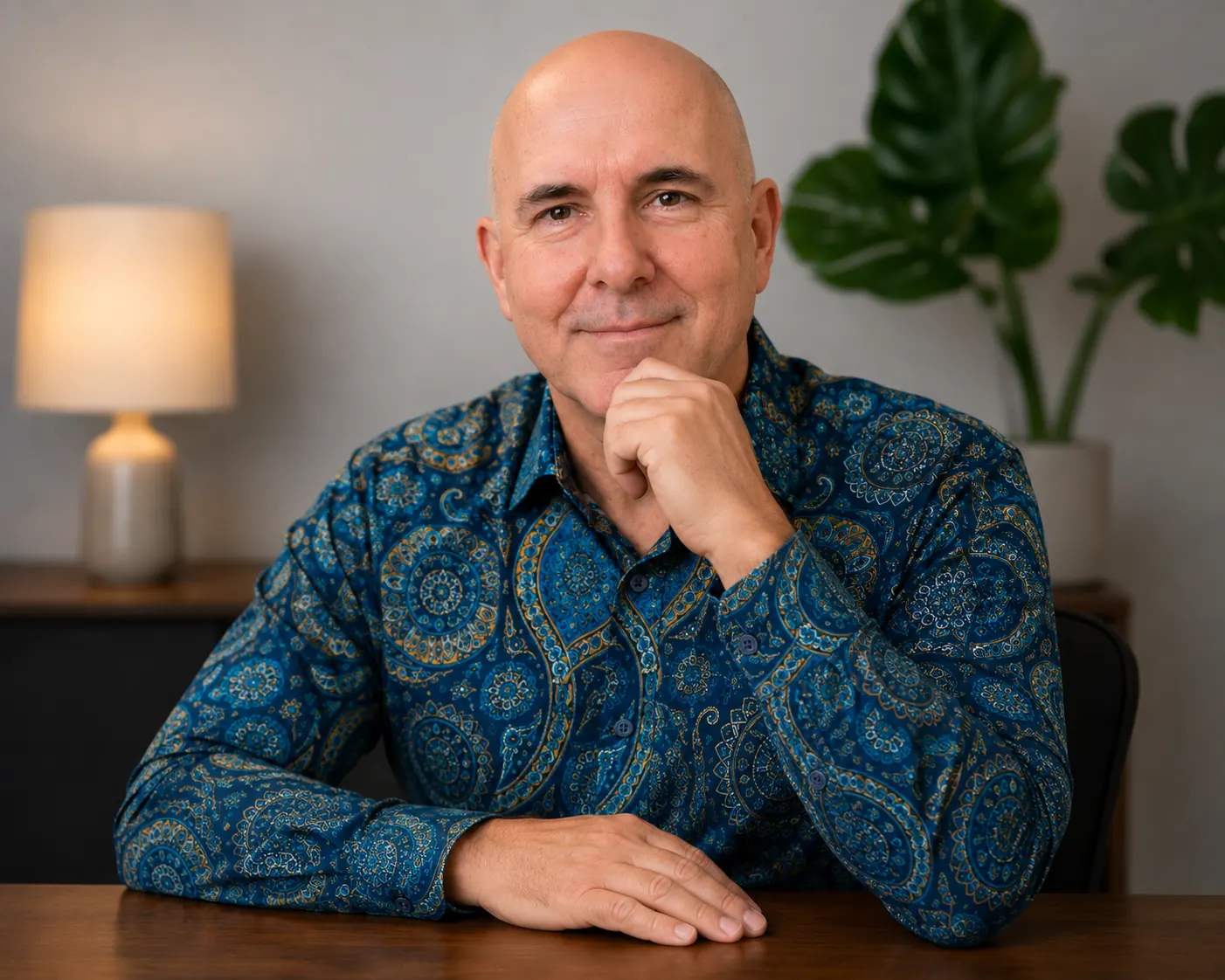
By David Hennessy, Clinical Psychologist
People often tell me that they have been taught about mindfulness and they use mindfulness, but they struggle to describe what it is, or how it works, or where it benefits them in their lives. Some tell me that mindfulness doesn’t work for them because they can’t pay attention, or they can’t make their mind go blank, or they say something along the lines of “don’t tell me to place my thoughts on a leaf.”
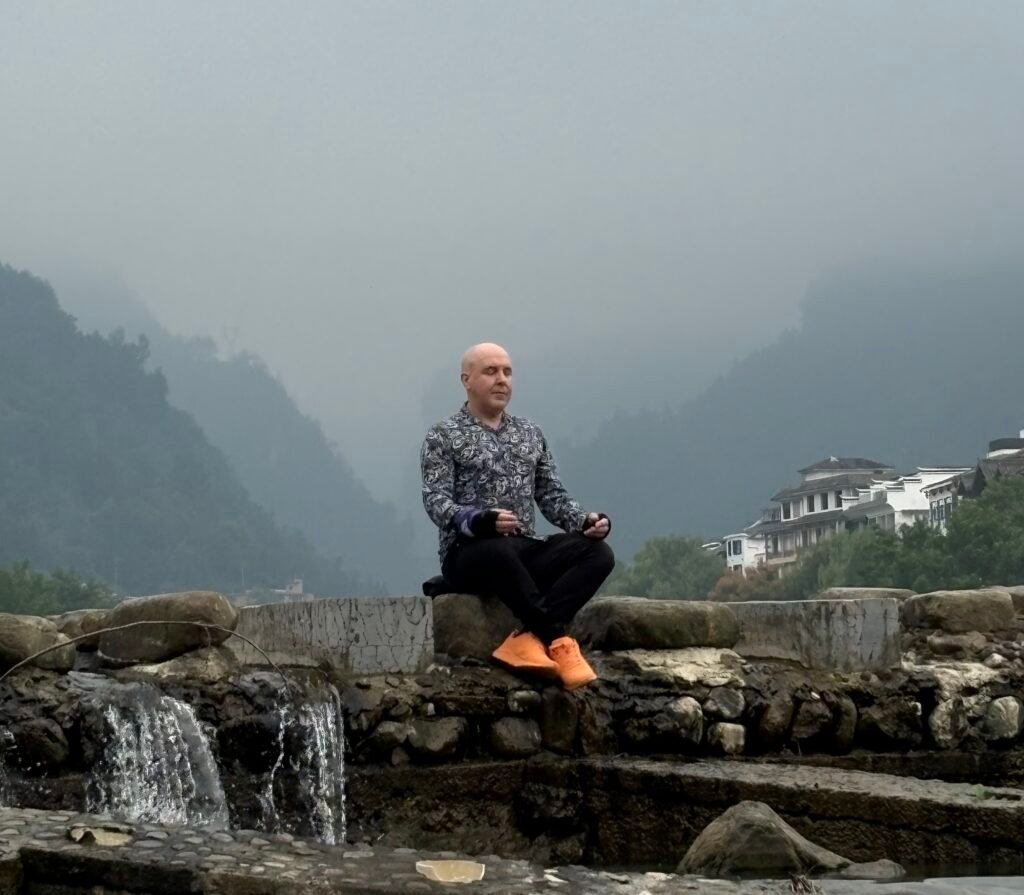
I take great care to explain mindfulness in a practical way as an intentional practice with multiple latent benefits happening in the background. It is not a mystical or abstract concept; it is a deliberate choice to pay attention to what is happening right now, regardless if it’s uncomfortable or pleasant. It’s the daily act of noticing when your mind has wandered and gently, kindly guiding it back to the here and now. It’s about accepting that our typical experience is a mix between having some conscious control over the focus of our mind while it drifts between thoughts. The meaning making of our mind has an ongoing reciprocal relationship with our emotions and with the regulation of our autonomic nervous system. With practice, we can learn to have some insightful and intentional self-regulatory control in this process.
Mindfulness has religious roots dating back thousands of years, drawing particularly from Buddhist traditions. My studies have shown me that religious teachings are often a blend of psychology and spirituality. Though the origins of mindfulness are religious, the practice of mindfulness is easily described through a psychological lens. It is a practical skill that can support emotional health, psychological flexibility, and personal resilience, available to anyone, regardless of their religious or spiritual beliefs.
A Gentle, Universal Practice
Mindfulness is not about perfect attention, emptying the mind, or always feeling calm. It’s a practice of returning, again and again, to awareness, even if your mind wanders a thousand times.
This makes mindfulness deeply human and accessible to everyone, regardless of age, background, belief system, or life circumstance.
You don’t need special equipment, long hours, or a particular personality type. You need only your willingness to show up for your life, one moment at a time.
Why Practise Mindfulness?
- Reducing stress by responding more thoughtfully instead of reacting automatically [1]
- Improving focus and clarity by training attention [1]
- Building emotional resilience by staying connected to yourself during difficult times [2]
- Enhancing relationships through greater presence and empathy [3]
- Supporting overall mental health including the management of anxiety, depression, trauma, and chronic pain [4][5][6][7][8]
A Hopeful, Realistic Reminder
Mindfulness is a practice, not a perfection. Some days you might feel deeply present; other days, distracted and restless. Both are entirely normal.
Every moment you notice and then gently return to the present strengthens your capacity for greater steadiness, compassion, and connection over time.
In that sense, mindfulness is less about “getting it right” and more about cultivating a lifelong, gentle friendship with yourself.
Enquiries / Appointments
Click here to contact Hennessy Clinical Psychology or book an appointment