Therapy For Phobias In Varsity Lakes
By David Hennessy, Clinical Psychologist, Varsity Lakes, Gold Coast, QLD
Understanding Phobias
A phobia is more than just fear. It is an intense, persistent and often overwhelming reaction to a specific object, situation or activity. While fear can be protective, a phobia causes a person to avoid or become extremely distressed in its presence, even when the danger is minimal or non-existent.
Phobias are common and treatable. They typically fall into three categories:
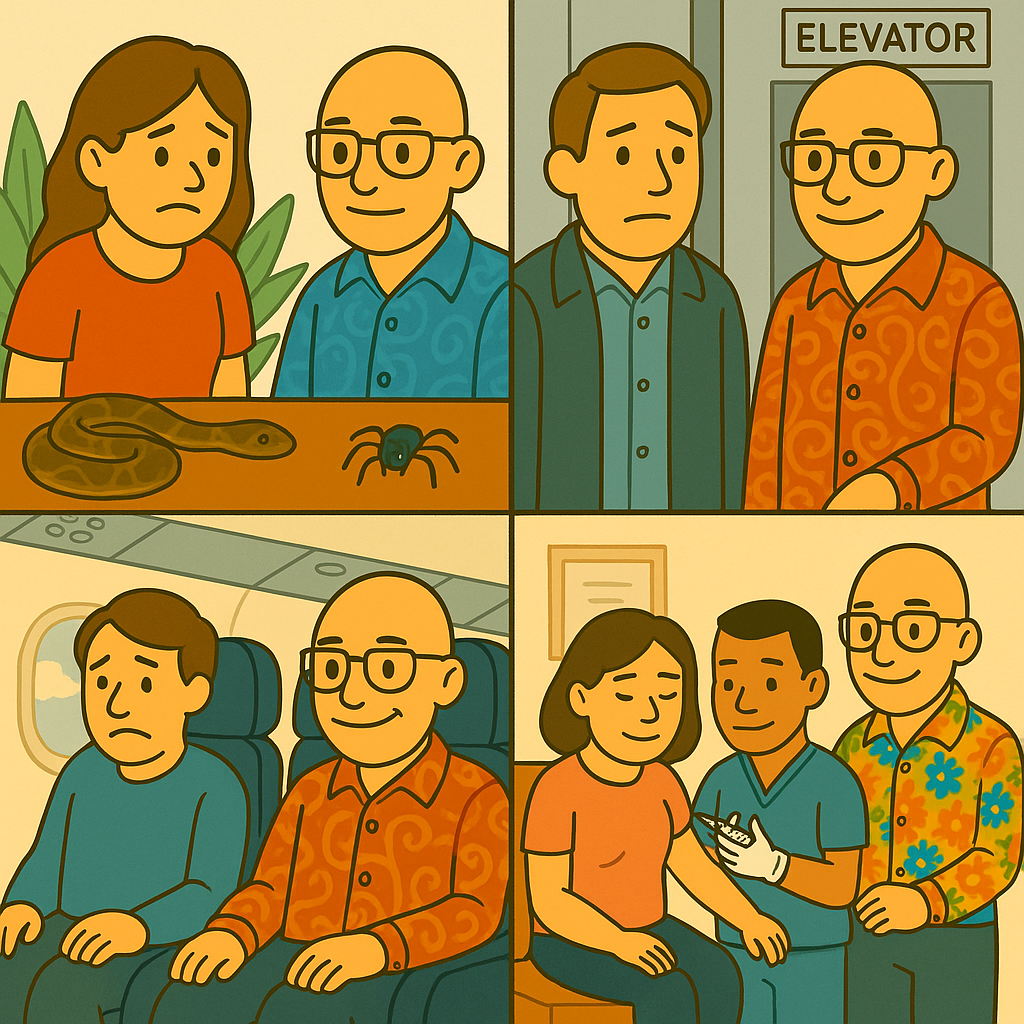
- Specific phobias, such as fear of snakes, spiders, flying, heights or needles
- Social anxiety disorder, involving intense fear of social scrutiny or embarrassment
- Agoraphobia, a fear of being in situations where escape might be difficult, such as crowded places or enclosed spaces
These fears can impact everyday life and relationships. Fortunately, effective psychological treatments are available.
How Therapy Helps With Phobias
At Hennessy Clinical Psychology in Varsity Lakes, we offer evidence-based psychological therapies tailored to support individuals experiencing phobias. Therapy is paced to suit you, always with kindness, care and respect.
Cognitive Behaviour Therapy (CBT)
CBT is a widely researched and recommended first-line treatment for phobias. It helps people identify and change unhelpful thoughts and behaviours associated with fear, enabling them to approach feared situations more confidently and realistically [1].
Exposure Therapy
A core component of CBT, exposure therapy involves gradually facing the feared object or situation in a safe and supported way. Over time, this reduces the fear response through habituation and inhibitory learning processes [2].
Psychoeducation
Understanding how phobias develop and persist can reduce shame and increase confidence. Learning how the brain’s threat system works helps people make sense of their reactions and approach fear with greater clarity.
Skills For Anxiety Regulation
Therapy includes practical strategies to manage anxiety symptoms, such as:
- Breath-focused regulation
- Grounding techniques
- Mindfulness-based tools
- Values-based behavioural strategies [3]
Compassion-Focused Therapy
Phobias are often accompanied by self-criticism or embarrassment. Compassion-focused approaches support emotional safety and reduce shame, helping people engage more effectively in change processes [4].
Common Phobias We Treat
We commonly support people experiencing fears related to:
- Snakes, spiders or insects
- Flying
- Needles, blood or medical procedures
- Enclosed spaces such as lifts or aircraft
- Vomiting, heights or crowds
No fear is silly or trivial. If it is affecting your life, it matters.
Related Reading
- Positive Affirmations: Lovely, But Sometimes Not Quite Enough
- Walking and Psychological Health
- Gentle, Grounded Truth Might Be More Helpful Than Overly Positive Reassurance
References
- Hofmann, S. G., Asnaani, A., Vonk, I. J., Sawyer, A. T., & Fang, A. (2012). The efficacy of cognitive behavioral therapy: A review of meta-analyses. Cognitive Therapy and Research, 36(5), 427–440. https://doi.org/10.1007/s10608-012-9476-1
- Craske, M. G., Treanor, M., Conway, C. C., Zbozinek, T. D., & Vervliet, B. (2014). Maximising exposure therapy: An inhibitory learning approach. Behaviour Research and Therapy, 58, 10–23. https://doi.org/10.1016/j.brat.2014.04.006
- Twohig, M. P., & Levin, M. E. (2017). Acceptance and commitment therapy as a treatment for anxiety and depression. Psychiatric Clinics of North America, 40(4), 751–770. https://doi.org/10.1016/j.psc.2017.08.009
- Kirby, J. N., Tellegen, C. L., & Steindl, S. R. (2017). A meta-analysis of compassion-based interventions. Behavior Therapy, 48(6), 778–792. https://doi.org/10.1016/j.beth.2017.06.003
Frequently Asked Questions
What is a phobia?
A phobia is an intense and persistent fear of a specific object or situation that significantly interferes with daily life.
Are phobias treatable?
Yes. Phobias respond well to evidence-based psychological therapies, particularly CBT and exposure-based approaches.
Do I have to face my fear straight away?
No. Therapy progresses at a pace that feels safe and manageable, with collaborative planning.
Can therapy help if I do not know where the fear came from?
Yes. Understanding the origin of a phobia is not required for effective treatment.
Enquiries And Appointments
We are a Gold Coast Clinical Psychologist clinic conveniently positioned in Varsity Lakes. Therapy is available in person at Varsity Lakes or anywhere in Australia via telehealth.