I Have Decided on What Type of Therapist, Now Which One?
By David Hennessy, Clinical Psychologist
Deciding what type of professional to see is a big step. Once you have worked out what type of therapist you would like to see, whether that is a counsellor, psychologist, psychiatrist, or another type of therapist, the next step is often the trickiest one: Which individual therapist will be the right fit for me?
Choosing a Therapist That Is a Good Fit for You
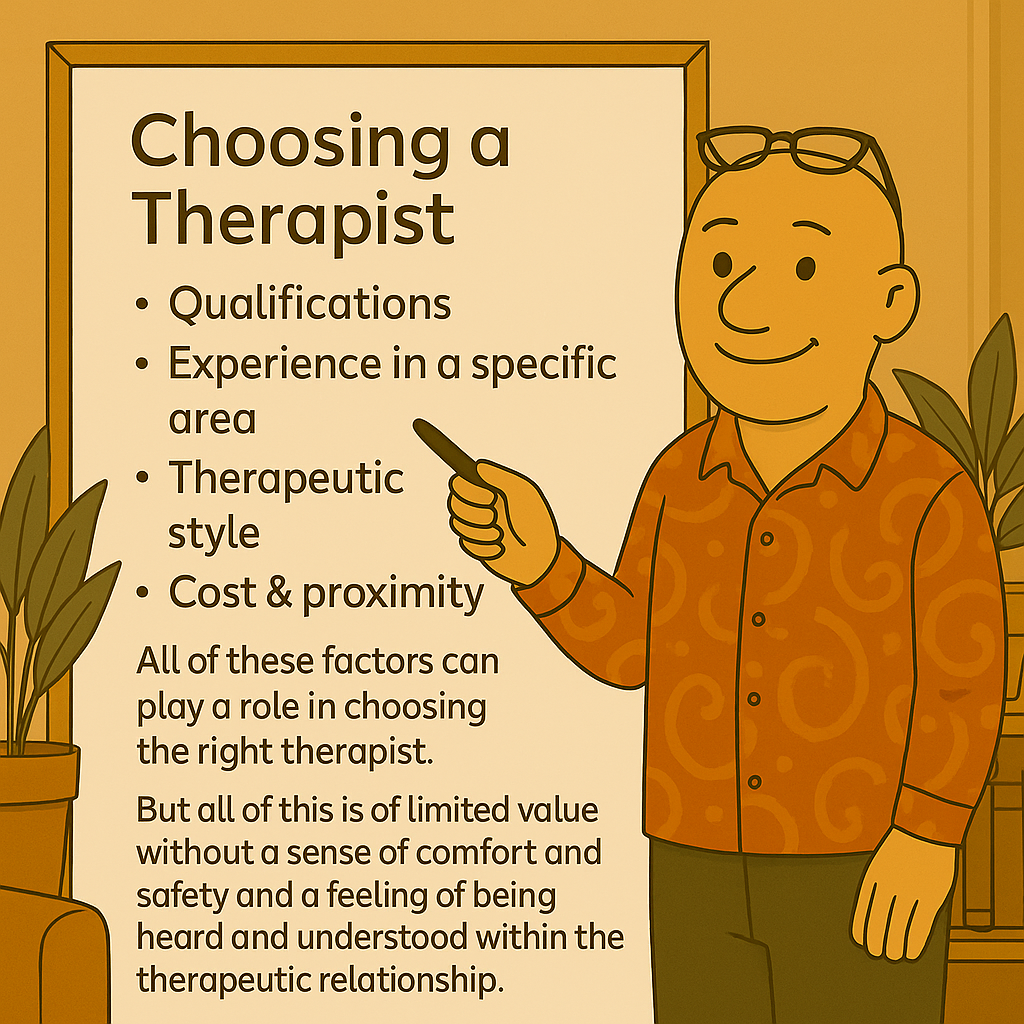
Therapists differ in their type and level of qualifications, years and areas of experience, therapy type and style, as well as age and gender. All of these factors can play a role in choosing the right therapist for you. But all of this is of limited value unless you feel comfortable and safe in the therapeutic relationship.
The quality of the therapeutic relationship has consistently been shown to be a strong predictor of positive outcomes in therapy.
So how do you find someone who is experienced in what you need help with and will likely be a good fit for you?
Let us walk through it together.
A Good Place to Start: Talk With Your GP
Choosing a therapist that is a good fit for youYour GP is often the best place to start when working out what sort of therapist you may need and which therapist might be a good fit for you. If you have a GP who knows you relatively well, you are already off to a good start. A GP can guide you toward the type of professional best suited to your needs.
For some people, this might mean a referral to a psychologist or counsellor. For others, talking with your GP about seeing a psychiatrist might be the most appropriate next step, particularly if medical treatment or specialist care is needed.
In Australia, GPs can also prepare a Mental Health Care Plan that provides Medicare rebates for psychology sessions, making therapy more accessible.
Using Trusted Directories
Another good place to look is with online directories such as Psychology Today Australia.
Psychology Today Australia lets you filter your search by:
- Location
- Specialties for example trauma, ADHD, relationships
- Gender of therapist
- Therapy types such as CBT, EMDR, ACT
- Availability, including online and after hours options
Each profile contains an About section, photos, and sometimes videos. These give you a sense of the therapist’s personality, style, and approach before making contact.
You will also find listings for counsellors, psychologists, and other therapists. Depending on your needs, different options may be more or less suitable. For less complex challenges, a counsellor may be a good fit. For more complex or longstanding concerns, a psychologist or talking with your GP about seeing a psychiatrist might be appropriate.
Browsing Profiles
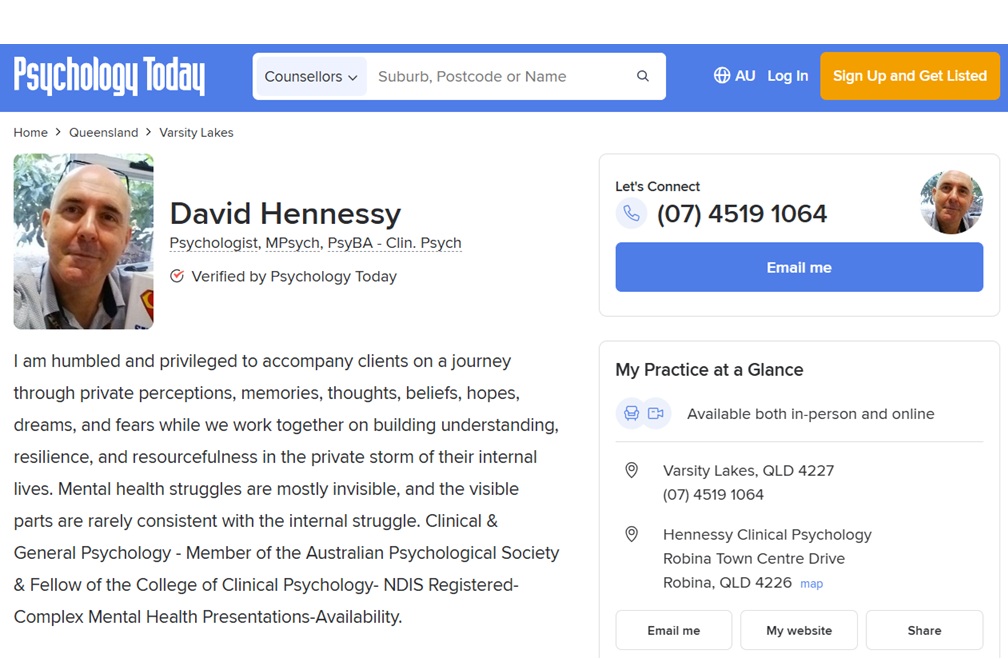
You might like to think of browsing profiles as choosing a guide to walk alongside you for part of your life’s journey. Profiles give a sense of a therapist’s training, style, and the way they work. Click the image or visit David Hennessy’s Psychology Today profile to see a real-world example of what a profile can tell you — from therapeutic style and availability to professional background and practice locations.
Reaching Out
Once you have shortlisted a few therapists, consider booking a consult or making a phone call. Most therapists genuinely welcome your questions. You might ask:
- Have you worked with someone like me before?
- What is your therapy approach?
- Do you think we would be a good fit?
These conversations can give you a clearer picture of whether the therapist feels right for you. Remember, therapists want you to find someone who suits your needs, even if that person ends up being another professional.
Frequently Asked Questions
How do I know if a therapist is a good fit for me?
A good fit usually involves feeling safe, heard, and understood. While qualifications and experience matter, the quality of the therapeutic relationship is one of the strongest predictors of positive outcomes.
Should I talk to my GP before choosing a therapist?
Yes. Your GP is often a good place to start. They can help you clarify what type of therapist may be most appropriate and, in Australia, can arrange a Mental Health Care Plan if psychology support is recommended.
Is it okay to change therapists if it does not feel right?
Yes. It is common and reasonable to try more than one therapist before finding the right fit. A good therapist will understand and support this process.
Do I need to see a psychologist or a psychiatrist?
This depends on your needs. For less complex concerns, a counsellor or psychologist may be appropriate. For more complex or longstanding concerns, a psychologist or talking with your GP about seeing a psychiatrist might be appropriate.
Can I ask a therapist questions before booking?
Absolutely. Many therapists welcome brief enquiries about experience, therapeutic approach, and whether they may be a good fit for your needs.
Appointments / Enquiries
Appointments and Enquiries with Hennessy Clinical Psychology
References and Resources
- Psychology Today Australia
- Australian Psychological Society Find a Psychologist
- Beyond Blue Finding the Right Support
Also See
Choosing a Therapist Part 1: Do I need a counsellor, a psychologist, a psychiatrist, or something else?
https://hennessyclinicalpsychology.com/choosing-a-therapist-in-australia-a-counsellor-a-psychologist-a-psychiatrist-or-something-else/What Are Attachment Wounds?
https://hennessyclinicalpsychology.com/what-are-attachment-wounds/Gentle Grounded Truth Might be More Helpful Than Overly Positive Reassurance
https://hennessyclinicalpsychology.com/gentle-grounded-truth-might-be-more-helpful-than-overly-positive-reassurance/https://hennessyclinicalpsychology.com/gentle-grounded-truth-might-be-more-helpful-than-overly-positive-reassurance/Let Your Values Be Your Guide
https://hennessyclinicalpsychology.com/let-your-values-be-your-guide/