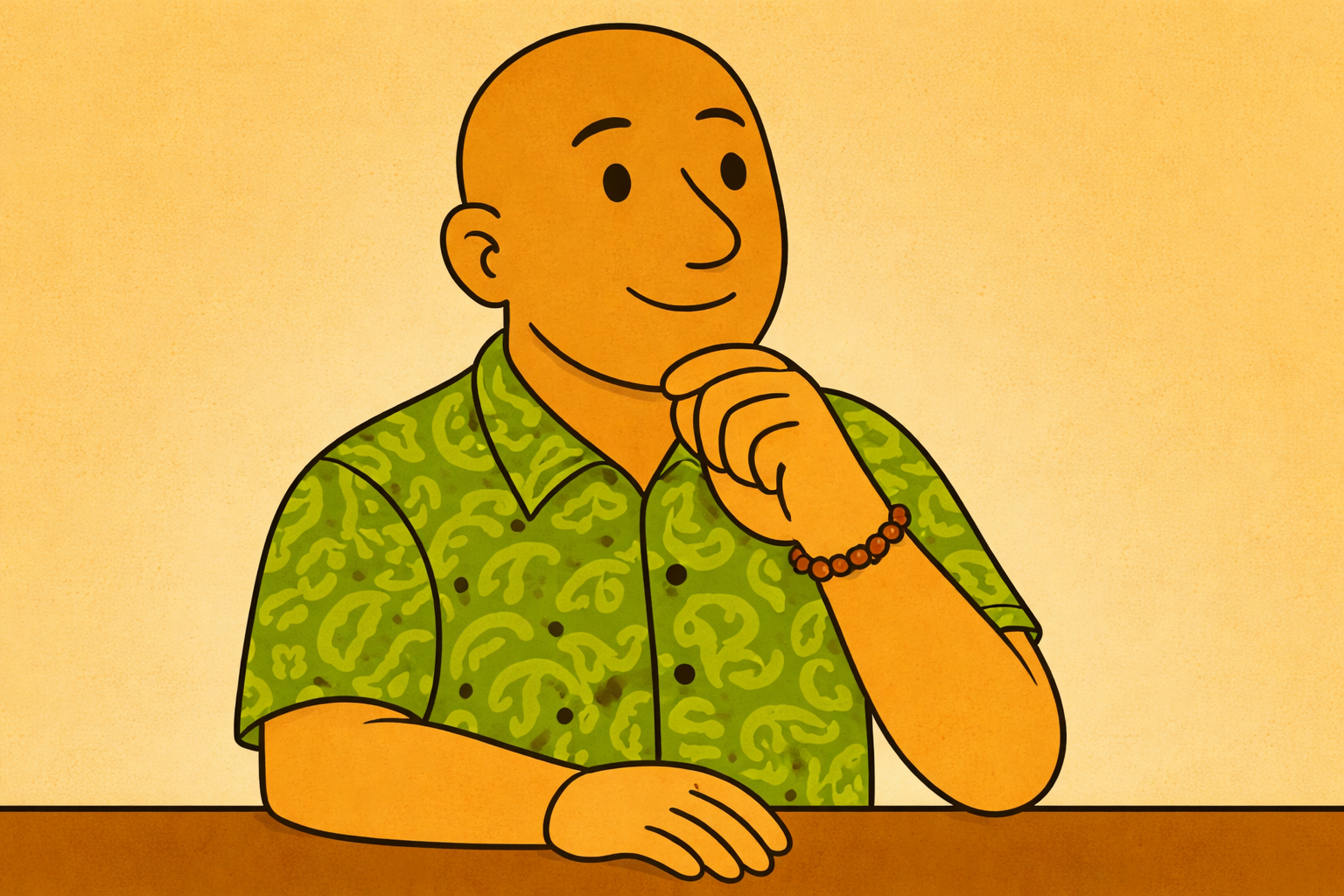
Acceptance Versus Change
By David Hennessy, Clinical Psychologist

Acceptance Versus Change
Acceptance and change seem like opposites, yet within the human struggle the two go hand in hand. We tend to perpetually seek change, especially in the things that cause us distress or discomfort. However, much of this distress comes from our inability or unwillingness to accept things as they are.
Ironically, when we are able to accept the present moment as it is, our distress often reduces significantly. In turn, this reduction in distress can create the very conditions that allow the change we have been longing for.
The Paradox of Acceptance
In therapy and in life, this paradox shows up often. When we stop fighting what is, we create space to respond differently. Acceptance is not passive surrender; it is an active acknowledgement of reality as it stands. This stance helps us use energy wisely, focusing on what can be influenced rather than resisting what cannot.
This approach supports psychological flexibility, a quality linked with improved wellbeing and resilience across contexts.
Acceptance as a Foundation for Change
In Acceptance and Commitment Therapy, willingness to experience our inner world, including difficult thoughts and feelings, is a starting point for meaningful change. As people learn to notice experiences without trying to suppress or control them, distress often eases enough to make values-based action possible.
From that calmer position, change becomes more likely. It is not forced or frantic. It is steady, person-centred, and sustainable. Acceptance becomes the soil in which genuine growth occurs.
Practical Reflection
- What parts of life have I been fighting against
- What might shift if I acknowledge things as they are, without approval or resistance
- How might acceptance free energy for change that matters to me
Sometimes the most powerful step toward change begins with the courage to stop pushing against what is.
Enquiries / Appointments
If you would like to explore acceptance, change, and psychological flexibility in your own life, please visit
Hennessy Clinical Psychology Contact.
References
- Pittman, J., Richardson, T., & Palmer-Cooper, E. (2024). The relationship between psychosis and psychological flexibility and other Acceptance and Commitment Therapy processes: A systematic review and meta-analysis. Journal of Contextual Behavioral Science, 33, 100800. https://doi.org/10.1016/j.jcbs.2024.100800
- Zou, Y., Wang, R., Xiong, X., Bian, C., Yan, S., & Zhang, Y. (2025). Effects of Acceptance and Commitment Therapy on negative emotions, automatic thoughts, and psychological flexibility for depression and its acceptability: A meta-analysis. BMC Psychiatry, 25, 602. https://doi.org/10.1186/s12888-025-07067-w
- Latella, D., Marafioti, G., Formica, C., Calderone, A., La Fauci, E., Foti, A., Calabrò, R. S., & Filippello, G. (2025). The role of Acceptance and Commitment Therapy in improving social functioning among psychiatric patients: A systematic review. Healthcare, 13(13), 1587. https://doi.org/10.3390/healthcare13131587
- Hofmann, S. G., & Hayes, S. C. (2022). A process-based approach to cognitive behavioural therapy: A theory-based case illustration. Frontiers in Psychology, 13, 1002849. https://doi.org/10.3389/fpsyg.2022.1002849