
FAMILY AND RELATIONSHIP STRESS THERAPY
By David Hennessy, Clinical Psychologist, Varsity Lakes, Gold Coast, QLD
Evidence-based individual psychological therapy for adolescents and adults affected by persistent stress within family or close relationships.
Appointments are available in person in Varsity Lakes on the Gold Coast and by secure telehealth across Australia.
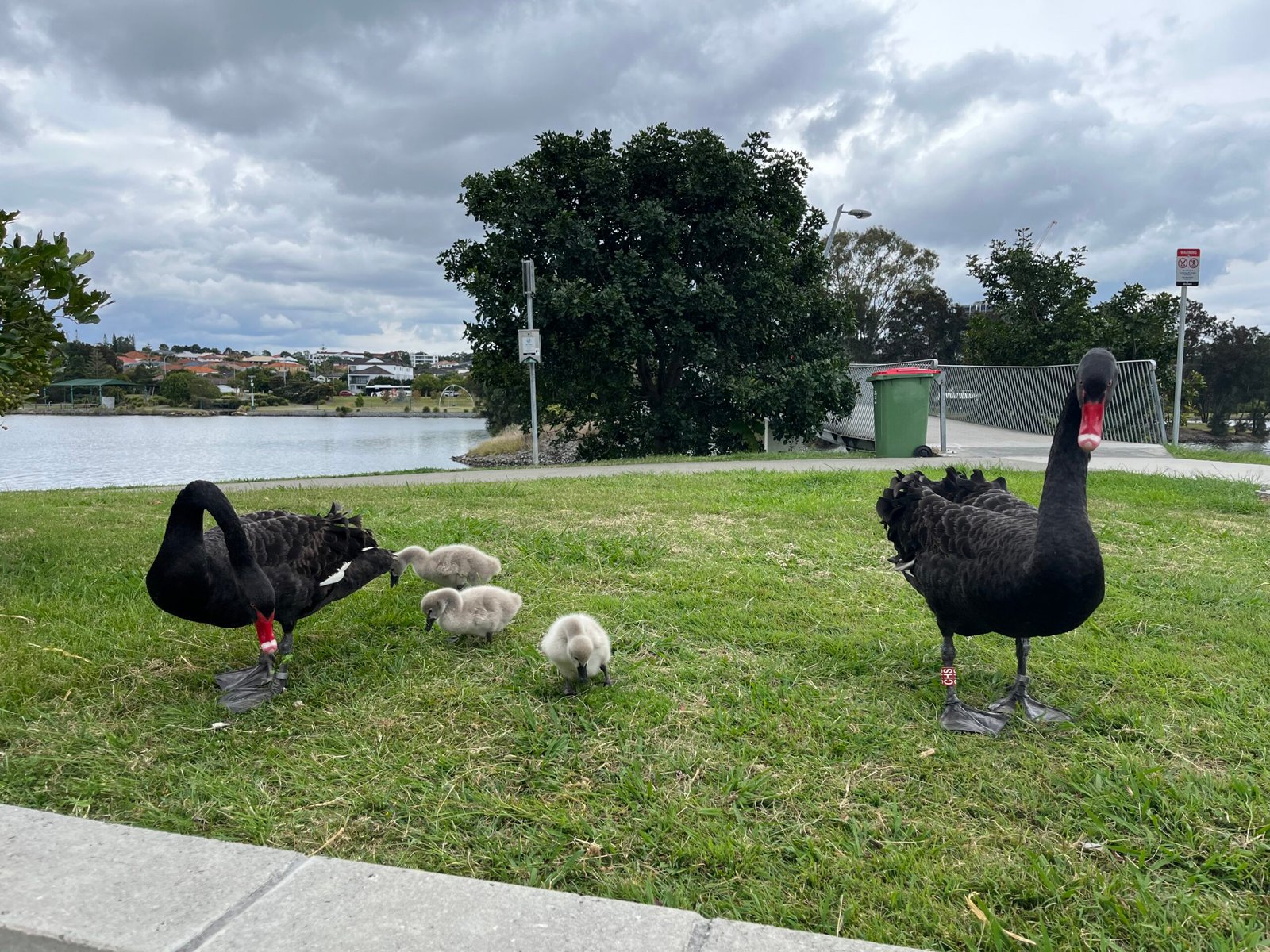
Families and close relationships can be important sources of connection, identity and support. They can also become sources of sustained stress when conflict, changing roles, competing needs, separation, illness, loss or difficult patterns remain unresolved.
This page concerns individual therapy for the psychological effects of family and relationship stress. It is not a couples counselling, family therapy, mediation, parenting assessment or family-court service.
Where the primary difficulty is unpaid caring responsibility, the dedicated Psychological Support for Carer Stress and Burnout → page provides the clearer pathway.
Persistent relational stress may involve:
Relationship difficulties can coexist with anxiety, depression, trauma-related experiences or safety concerns. Assessment considers these possibilities and the person’s wider context.
Individual therapy can provide a private and structured place to understand patterns, responses and choices. It may help to:
Therapy does not assume that one person is responsible for changing an entire family or relationship system.
Treatment is individualised and responsive to developmental stage, culture, family structure, relationship history, safety, practical constraints and the person’s goals.
Therapy may explore recurring interaction patterns, expectations, roles, stressors and the meaning attached to important relationships.
Treatment may support clearer communication, listening, assertiveness, conflict de-escalation and ways of responding deliberately when emotions are strong.
Boundaries are not one-size-fits-all. Therapy can examine guilt and responsibility beliefs while considering safety, dependency, family expectations and the likely consequences of change.
Family and relationship transitions can involve grief, relief, uncertainty and identity change. Therapy can provide space to process these responses without prescribing a particular outcome.
Where decisions are needed, therapy can help clarify values, options and consequences. It does not provide legal advice, mediation or recommendations for family-court proceedings.
Treatment draws on evidence-based psychological approaches and considers the relational context without assuming that the individual can control another person’s behaviour.
CBT can help address unhelpful cycles involving threat interpretation, worry, avoidance, self-criticism, over-responsibility and reduced restorative activity.
ACT may support psychological flexibility, values-guided choices and a different relationship with difficult thoughts and emotions.
Mindfulness-based strategies may help a person notice emotional and physiological reactions before responding automatically.
Explore the broader therapy approaches used at Hennessy Clinical Psychology.
When there is coercive control, violence, abuse or immediate danger, safety takes priority over communication strategies. Individual psychological therapy is distinct from couples therapy, mediation, legal advice and emergency support.
David Hennessy is a Clinical Psychologist providing evidence-based assessment and individual therapy for adolescents and adults. His approach is collaborative, practical and respectful of the complexity of family relationships, culture and personal values.
Learn more about David’s background, clinical experience and approach to psychological therapy.
In-person appointments are available at Hennessy Clinical Psychology in Varsity Lakes on the Gold Coast. Secure telehealth appointments are available throughout Australia where clinically appropriate.
This page is limited to individual therapy for stress arising within family and close relationships. Unpaid caring demands, broad chronic overload and work-related stress each retain their own service pathways.
Visit the cornerstone hub for the complete chronic stress and burnout service and article cluster.
Use the broader service when persistent overload spans several areas of life rather than arising mainly within relationships.
Use the carer-specific pathway when sustained responsibility for another person’s care is the central difficulty.
Read about recognising and responding to intense emotional experiences.
Explore related support when anxiety or mood difficulties are a central concern.
Falconier, M. K., Jackson, J. B., Hilpert, P., & Bodenmann, G. (2015). Dyadic coping and relationship satisfaction: A meta-analysis. Clinical Psychology Review, 42, 28–46. https://doi.org/10.1016/j.cpr.2015.07.002
Lebow, J. L., Chambers, A. L., Christensen, A., & Johnson, S. M. (2012). Research on the treatment of couple distress. Journal of Marital and Family Therapy, 38(1), 145–168. https://doi.org/10.1111/j.1752-0606.2011.00249.x
Randall, A. K., & Bodenmann, G. (2009). The role of stress on close relationships and marital satisfaction. Clinical Psychology Review, 29(2), 105–115. https://doi.org/10.1016/j.cpr.2008.10.004
Whisman, M. A. (2007). Marital distress and DSM-IV psychiatric disorders in a population-based national survey. Journal of Abnormal Psychology, 116(3), 638–643. https://doi.org/10.1037/0021-843X.116.3.638
Common questions about individual therapy for stress within families and relationships.
No. This is individual psychological therapy for adolescents or adults affected by family or relationship stress. It is not conjoint couples counselling, family therapy, mediation or a family-court service.
Yes. Individual therapy can help a person understand patterns, regulate emotions, communicate more clearly, develop considered boundaries and make decisions. It cannot require another person to change.
No. Carer stress support focuses on sustained responsibility for another person’s care. This page focuses more broadly on conflict, changing roles, separation, communication and other relational pressures.
No. Therapy does not prescribe a particular relationship decision. It can help clarify safety, values, needs, options and likely consequences so that decisions are better considered.
Safety takes priority. Therapy may support safety planning and connection with specialist services, but it is not an emergency or crisis service. Call 000 if there is immediate danger.
Yes. Appointments are available in person at Varsity Lakes on the Gold Coast and through secure telehealth across Australia where clinically appropriate.
We are a Gold Coast Clinical and General Psychologist clinic conveniently positioned in Varsity Lakes.
Therapy is available in person at Varsity Lakes or via telehealth anywhere in Australia.
The easiest way to book an appointment is online.
Clinical Psychologist in Varsity Lakes, Gold Coast. Evidence-based psychology for adolescents and adults, with in-person appointments and Australia-wide telehealth.
Anxiety Disorders
Mood Disorders
Trauma & PTSD
Neurodiversity
CBT
ACT
EMDR
Mindfulness-Based Therapy
This practice is not a crisis service.
If you require immediate assistance, call 000. For crisis support, contact Lifeline on 13 11 14.
© 2021–2026 Hennessy Clinical Psychology. All rights reserved.