
PSYCHOLOGICAL SUPPORT FOR FND
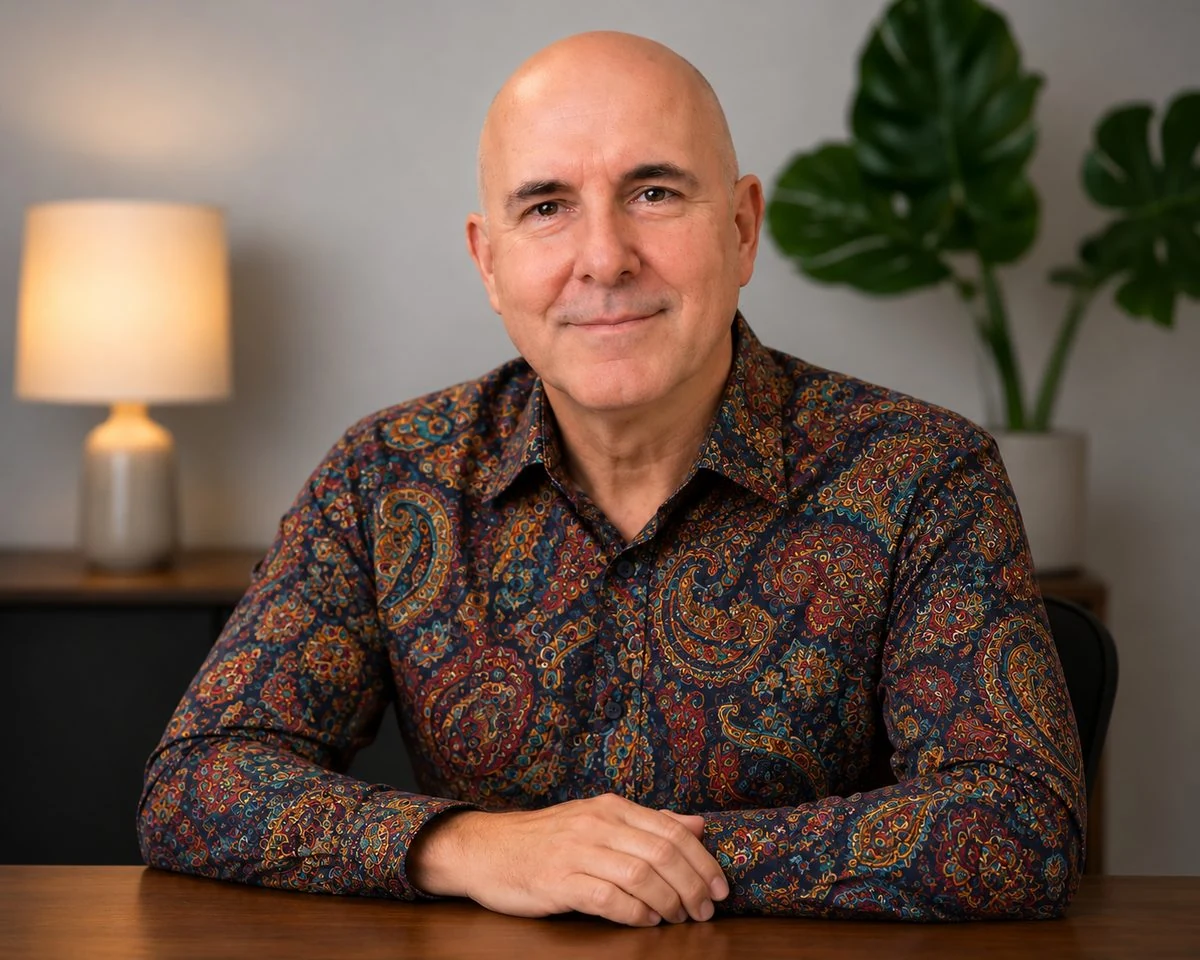
By David Hennessy, Clinical Psychologist
Psychological support for FND may help you work with any emotional or practical difficulties you are experiencing, develop coping strategies and move towards activities that matter to you. Care is tailored to your needs and may form part of a wider neurological and rehabilitation plan.
Appointments for adolescents and adults are available in Varsity Lakes on the Gold Coast and via secure telehealth across Australia, where clinically appropriate.
Functional neurological disorder (FND) involves genuine, involuntary neurological symptoms. Presentations vary and may include changes in movement, sensation, speech or awareness. The effect on daily life also differs between people. [1]
Diagnosis depends on positive clinical features assessed by an appropriately experienced medical clinician, usually a neurologist. Normal MRI or routine EEG results alone do not establish FND. FND can coexist with epilepsy or other neurological conditions. Stress, trauma or a mental health diagnosis is not required. [1]
For a fuller explanation, read What Is Functional Neurological Disorder (FND)?.
Psychological care is tailored to your needs, symptoms and priorities. It can complement neurological and rehabilitation care without assuming that psychological factors caused your FND.
Psychological care does not mean that symptoms are imagined or that you caused them. It offers space to understand your experience and identify practical ways to support wellbeing and everyday functioning. Depending on your needs, therapy may include:
Attention and body-awareness strategies are adapted carefully. For some people, increased monitoring of sensations can be unhelpful, so exercises are reviewed according to your response. Therapy goals may include quality of life and participation, as well as changes in symptoms.
Initial appointments focus on your symptoms, medical assessment, current supports, daily life and priorities. Together, we consider what psychological care may offer and whether it fits your needs. Relevant medical reports can help inform this discussion.
Across my years in clinical psychology and counselling, and my earlier work in the trades, I have valued clear explanations and practical steps that fit a person’s circumstances. People from all backgrounds deserve to be heard and involved in decisions about their care.
Progress varies. Some people experience substantial improvement, while others continue to live with symptoms and work towards better coping, participation and quality of life. We review goals and responses to therapy over time without promising a particular outcome or timetable.
Your treatment plan considers your symptoms, medical assessment, preferences and goals. We discuss what each approach may offer and review how it fits your everyday life.
Psychological therapy may include cognitive behaviour therapy (CBT), which explores links between thoughts, emotions, actions and everyday experiences. Depending on your needs, therapy may support coping, emotional wellbeing, confidence and participation. Trauma-focused treatment is considered when trauma-related difficulties are present, rather than assumed to be necessary for everyone.
For people with functional seizures, psychological therapy may help with wellbeing, daily functioning and, for some people, seizure symptoms. The potential benefits and limitations are discussed individually, and improvement cannot be guaranteed. [2] [3]
For some people with functional movement disorders, a coordinated plan may include both physiotherapy and psychological therapy. These approaches can address different needs, such as movement, confidence, coping and everyday participation. The plan is tailored to your presentation and reviewed according to your response. [4]
For functional motor symptoms, physiotherapy may involve education, movement retraining and supported self-management. Movement retraining can help a person practise more automatic movement, with less deliberate monitoring of each action where this is helpful. The approach is adapted to the person, and benefits vary. Your treating team can discuss whether physiotherapy suits your symptoms and goals. [5] [6]
Psychology is one possible part of care. Your needs may also involve a GP, neurologist, physiotherapist, occupational therapist or speech pathologist. With your consent, communication between clinicians can help develop a shared understanding and consistent goals.
A respectful explanation can help people understand the diagnosis and consider treatment. Psychological care complements medical assessment and does not replace it. For people who experience functional seizures, an individual safety and management plan should be discussed with the treating medical team. [1] [3]
These pathways provide broader information and practice details alongside this FND service page.
Explore the neurological and cognitive conditions hub, including its pathway to the educational article What Is Functional Neurological Disorder (FND)?
Read the educational article for information about FND symptoms, diagnosis, developing explanations and treatment options.
Explore the practice, broader areas of psychological support and therapy approaches.
Further resources: FND Australia Support Services and FND Hope.
No. There is no single fixed set of symptoms that everyone with FND experiences. Some people may experience movement difficulties, sensory changes, speech difficulties or functional seizures, while others may have a different presentation. The type, severity, frequency and impact of symptoms can vary between people and may change over time. Symptom examples alone do not establish a diagnosis; appropriate medical assessment is needed.
No. FND symptoms are genuine and involuntary. Psychological support can address distress, adjustment and patterns relevant to daily functioning without dismissing the neurological symptoms.
No. Trauma, stress and mental health difficulties are not required for an FND diagnosis. Their relevance is considered individually, without assuming that they caused your symptoms.
A cure cannot be promised. Therapy may help with coping, functioning, wellbeing and, for some people, symptoms. Outcomes vary, and coordinated medical and rehabilitation care may also be needed.
You can seek help with distress or adjustment while medical investigation continues. Establishing an FND diagnosis requires appropriate medical assessment. Psychological therapy should not be used to assume that unexplained symptoms are FND.
Appointments are available in Varsity Lakes on the Gold Coast and by secure telehealth across Australia where clinically appropriate. Suitability is considered in relation to your needs, safety and other care.
No. Psychological support complements other care. The clinicians involved depend on your symptoms and goals, and communication can occur with your consent.
If you would like psychological support while living with FND, you are welcome to make an enquiry. We can discuss your needs, current care and whether appointments may be suitable.
Contact Hennessy Clinical Psychology →
This practice is not a crisis service. For an emergency, call 000. For crisis support, contact Lifeline on 13 11 14.
Appointments for adolescents and adults are available in Varsity Lakes on the Gold Coast and via secure telehealth across Australia where clinically appropriate.