Mindful Self-Care: Simple Practices for Wellbeing and Mental Health
By David Hennessy, Clinical Psychologist, Varsity Lakes, Gold Coast, QLD
We Often Unintentionally Put Ourselves Last
Even when we are pretty good at self-care, it is easy to get busy and put ourselves on the back burner.
In the busyness of life, self-care often slides quietly down the priority list. Yet these mindful moments of self-care are not just “nice to have” – they are protective, restorative and essential for long-term wellbeing and mental health.
The good news is that many of the most effective self-care practices are simple, free, and grounded in everyday experiences.
Simple mindful self-care practices – such as spending time in nature, pausing to breathe, engaging in hobbies, or sharing conversation – can support emotional balance, reduce stress, and contribute to long-term mental health.
These kinds of mindful self-care practices are often explored in therapy, where people can develop practical strategies to support wellbeing and mental health with the guidance of a psychologist.
Why Mindful Self-Care Matters
Mindful self-care means bringing conscious awareness to activities that nurture and replenish us. It allows our nervous system to recalibrate and fosters resilience.
Research suggests that intentional self-care practices can improve mood, reduce stress and support emotional regulation [1][2]. Learning to relate differently to our thoughts and internal experiences – as discussed in Thoughts Are Not Facts – can also support mindful awareness and emotional balance.
- Improve mood
- Reduce stress and anxiety
- Support emotional regulation
- Enhance overall physical health [1][2]
Nature: Simple, Free, and Healing
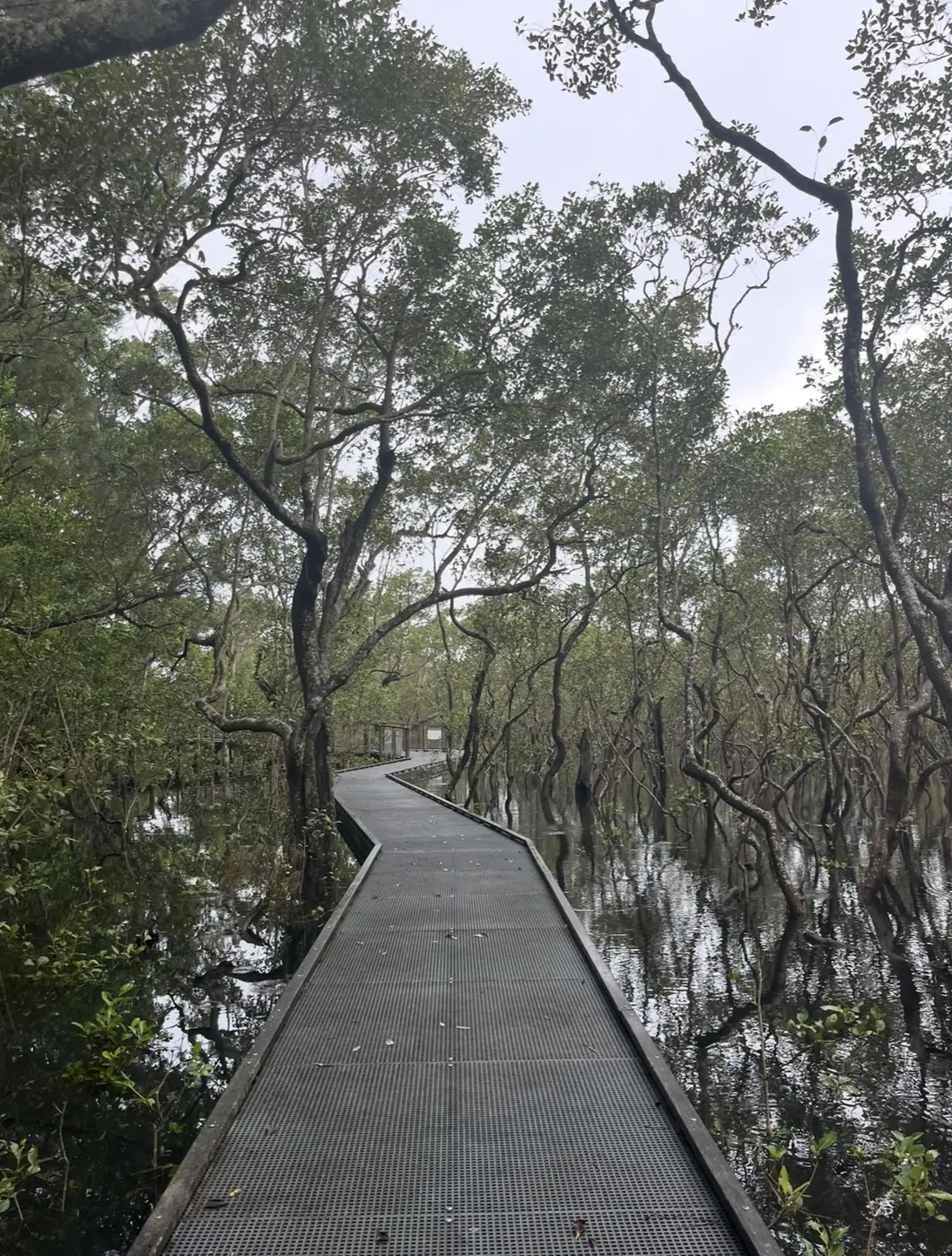
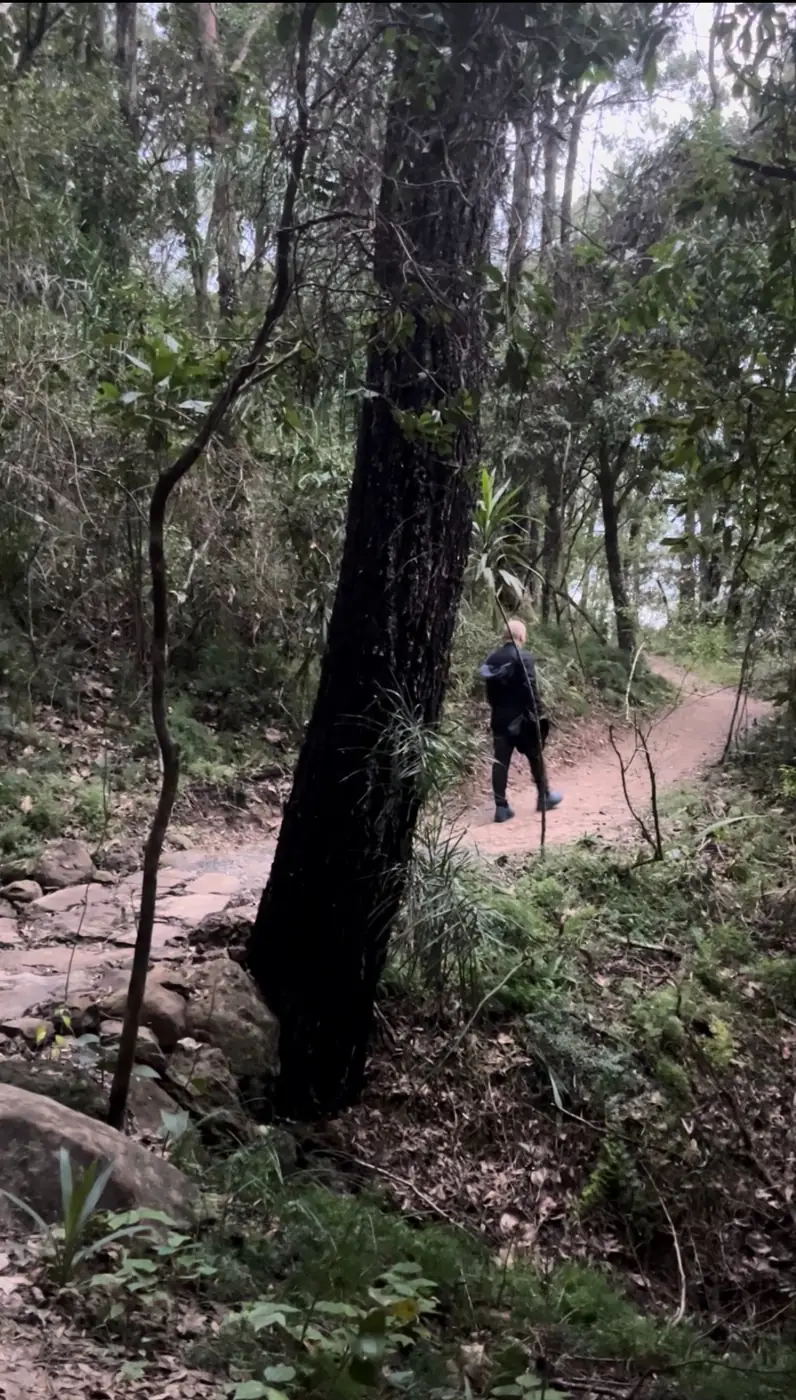
Spending time in nature has been shown to reduce stress hormones, lower blood pressure and improve cognitive functioning [3]. Experiences in nature can also help restore perspective and meaning, similar to reflections described in Surviving in Adversity, Surrounded by Beauty.
You do not need wilderness – gardens, parks, a nearby tree, or even the sky can offer connection and calm.
- Walk slowly and notice sounds and textures
- Sit quietly under a tree
- Watch clouds move across the sky
Mindfulness: Bringing Awareness to the Present
Mindfulness can be woven into everyday moments – not just formal meditation. Practising mindful self-care can help regulate emotions, improve attention and reduce reactivity [1]. Simple grounding strategies such as those described in Four Grounding Exercises to Help Soothe Anxiety can also support nervous system regulation.
- Pause and take five slow breaths
- Notice how your feet feel on the ground
- Savour the aroma and taste of tea or coffee
The Power of Simple Pleasures
Self-care also includes engaging in activities that bring enjoyment and meaning.
- Fun and Play – Laughter and lightheartedness activate reward pathways and support wellbeing.
- Hobbies and Creativity – Gardening, painting, building or writing can support psychological flexibility and cognitive engagement.
- Learning and Reading – Lifelong learning supports cognitive health and resilience.
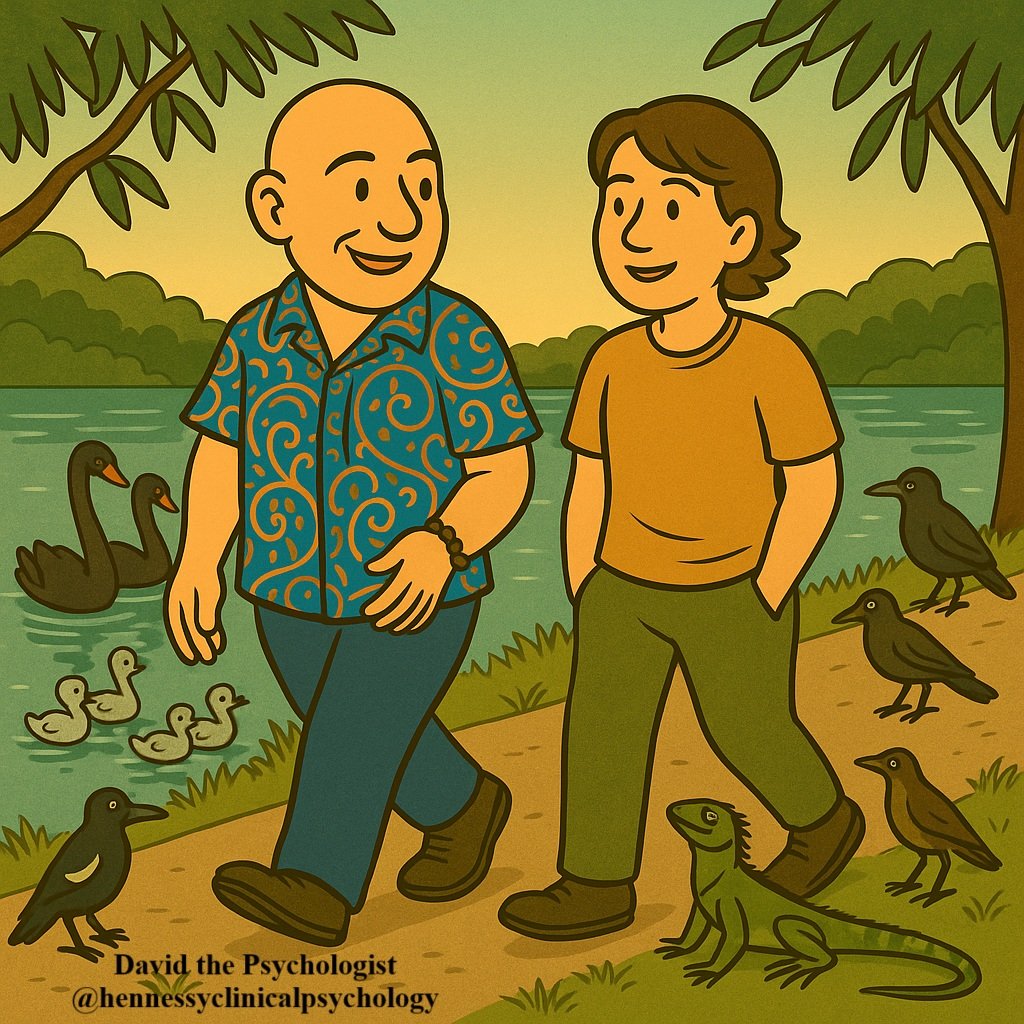
- Connection and Conversation – Meaningful conversation with others can help regulate the nervous system and support wellbeing [4].
- Pausing and Being – Sometimes doing nothing for a moment is the most restorative thing we can do.
Start Small, Go Often
Meaningful self-care does not usually require major life changes. Small and consistent mindful moments – a walk outside, a quiet pause, reading a page of a book or sharing a conversation – can gradually support resilience and balance.
Many of these themes are explored further across the broader collection of articles available on the Hennessy Clinical Psychology articles page.
Psychology Support in Varsity Lakes and the Gold Coast
Mindful self-care can be helpful for many people, but sometimes additional support can also make a meaningful difference. Speaking with a psychologist can help people explore patterns in their thoughts, emotions and behaviours, and develop practical strategies for wellbeing.
David Hennessy is a Clinical Psychologist based in Varsity Lakes on the Gold Coast. Therapy is available for adolescents and adults, both in person and via telehealth, across Australia.
Many clients seek support for concerns such as anxiety, stress, life transitions, relationship challenges and emotional wellbeing.
Enquiries and Appointments
We are a Gold Coast Clinical and General Psychologist clinic conveniently positioned in Varsity Lakes.
Therapy is available in person at Varsity Lakes or via telehealth anywhere in Australia.