
By David Hennessy, Clinical Psychologist, Varsity Lakes, Gold Coast, QLD
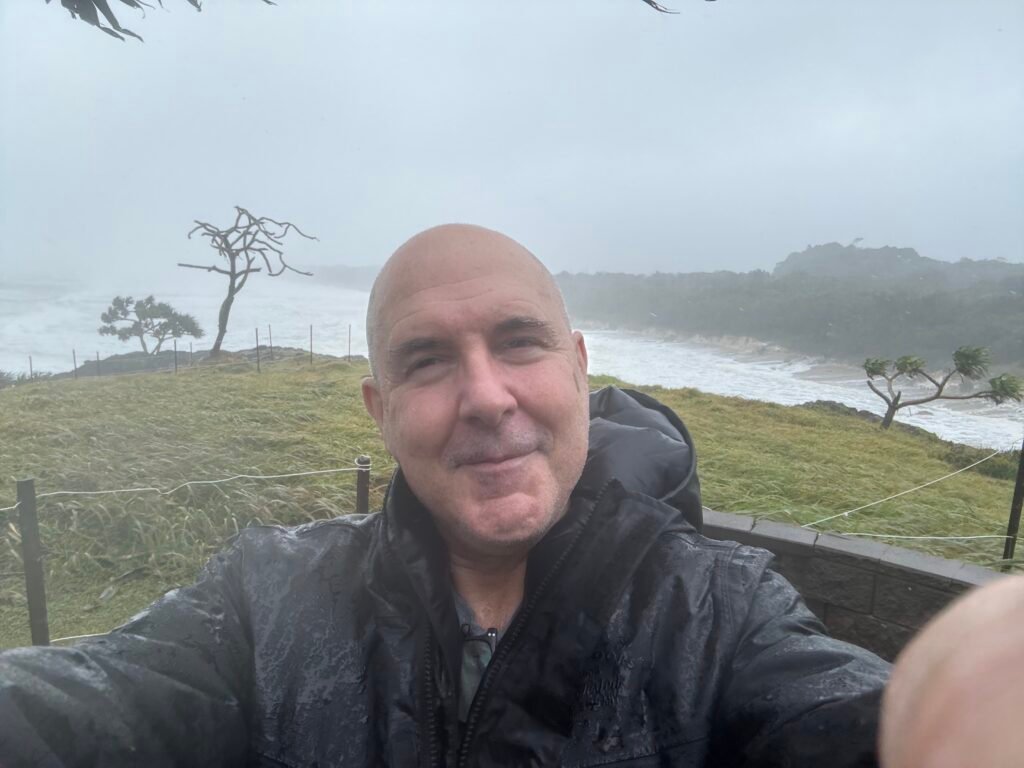
Managing the storms of distress is a topic I discuss constantly with clients. As a clinical psychologist, I work to simplify the complexities of mental health for everyday practice.
All humans experience periods of distress. The intensity and impact vary for each person and moment. Distress may appear as worry, overwhelm, sadness, frustration, physical tension, restlessness, or a sense of being stuck. Whether mild or intense, brief or prolonged, it is something we all navigate at different points in life. The role of attention in shaping emotional experience is explored further in Values, Attention, and Psychological Flexibility.
One simple and powerful strategy to assist in reducing the frequency and intensity of distress is regular intentional engagement in pleasant, personally engaging, and meaningful activities. This approach aligns closely with themes explored in What We Value Long-Term vs Short-Term Desire, which examines how values-aligned action differs from short-term relief and how repeated choices shape well-being over time.
During periods when distress is prominent, intentional engagement in activity can take up mental space that would otherwise be filled with distressing thoughts [1]. Research on behavioural activation shows that engaging in meaningful and enjoyable activities reduces rumination, supports emotional regulation, and improves overall well-being.
Behavioural Activation (BA) has also been shown to reduce anxiety as part of treatment, although it is best known as an evidence-based intervention for depression [1][5]. Intentional engagement is one helpful component within a larger collection of psychological strategies that support recovery and well-being.
It is not about replacing sadness with happiness. It is about practising some conscious influence over the content of our attention. Intentional engagement to provide a degree of balance.
Consistent practice builds confidence. Regular intentional engagement strengthens our belief in our ability to cope [2][3]. With practice, we build faith in our ability to intentionally engage even during distress. The role of sustained effort and repetition in psychological well-being is discussed further in Busy, Serious, Happy, Healthy, Conscious Effort. Over time, repeatedly choosing actions aligned with longer-term values rather than short-term comfort can strengthen self-efficacy and a sense of safety. This shift toward a sense of safety supports autonomic nervous system regulation and emotional balance [4].
Intentional engagement is one component of a broader therapeutic framework that may also include mindfulness-based practices, cognitive strategies, behavioural scheduling, somatic regulation, and values-based action.
Pro tip: The activity itself matters less than the meaning it holds for you.
Intentional engagement refers to deliberately choosing to participate in activities that are personally meaningful, absorbing, or restorative. The focus is not on eliminating distress, but on providing balance and supporting emotional regulation during difficult periods.
Intentional engagement overlaps with principles of Behavioural Activation. Behavioural Activation is a structured, evidence-based treatment for depression that also reduces anxiety. Intentional engagement can be understood as one practical component within a broader therapeutic framework.
Yes. Research shows that engaging in meaningful and enjoyable activities reduces rumination and supports emotional regulation. While Behavioural Activation is best known as a treatment for depression, it has also been shown to reduce anxiety as part of treatment.
Lack of motivation is common during periods of distress. Intentional engagement often begins with small, manageable actions rather than waiting for motivation to return. Repetition and support can gradually rebuild confidence and self-efficacy.
Intentional engagement is most effective when used as part of a broader evidence-based framework. This may include cognitive strategies, mindfulness, values-based action, behavioural scheduling, and nervous system regulation.
We are a Gold Coast Clinical and General Psychologist clinic conveniently positioned in Varsity Lakes.
Therapy is available in person at Varsity Lakes or via telehealth anywhere in Australia.
The easiest way to book an appointment is online.