The Mental Health Benefits of Nature
By David Hennessy, Clinical Psychologist
We are a clinical psychology clinic on the Gold Coast, conveniently positioned in Varsity Lakes.
Finding Calm in the Chaos: Why Nature Matters for Mental Health
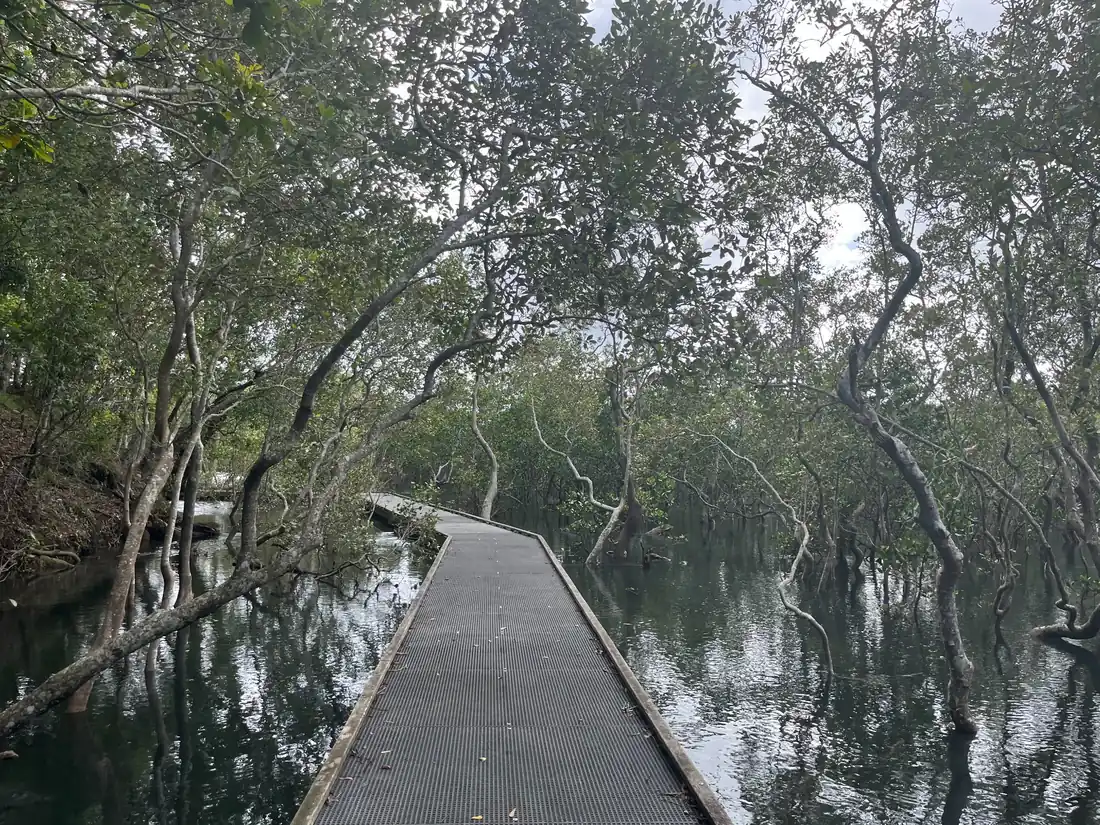
A regular dose of nature supports mental health. I treat time in nature as essential to my psychological well-being. As a clinical psychologist, much of my work involves supporting people through painful and complex emotional experiences. It is work I deeply value, and I have learned that engaging in self-care regularly and intentionally is not an indulgence. It is protective, and it is necessary for sustainable practice.
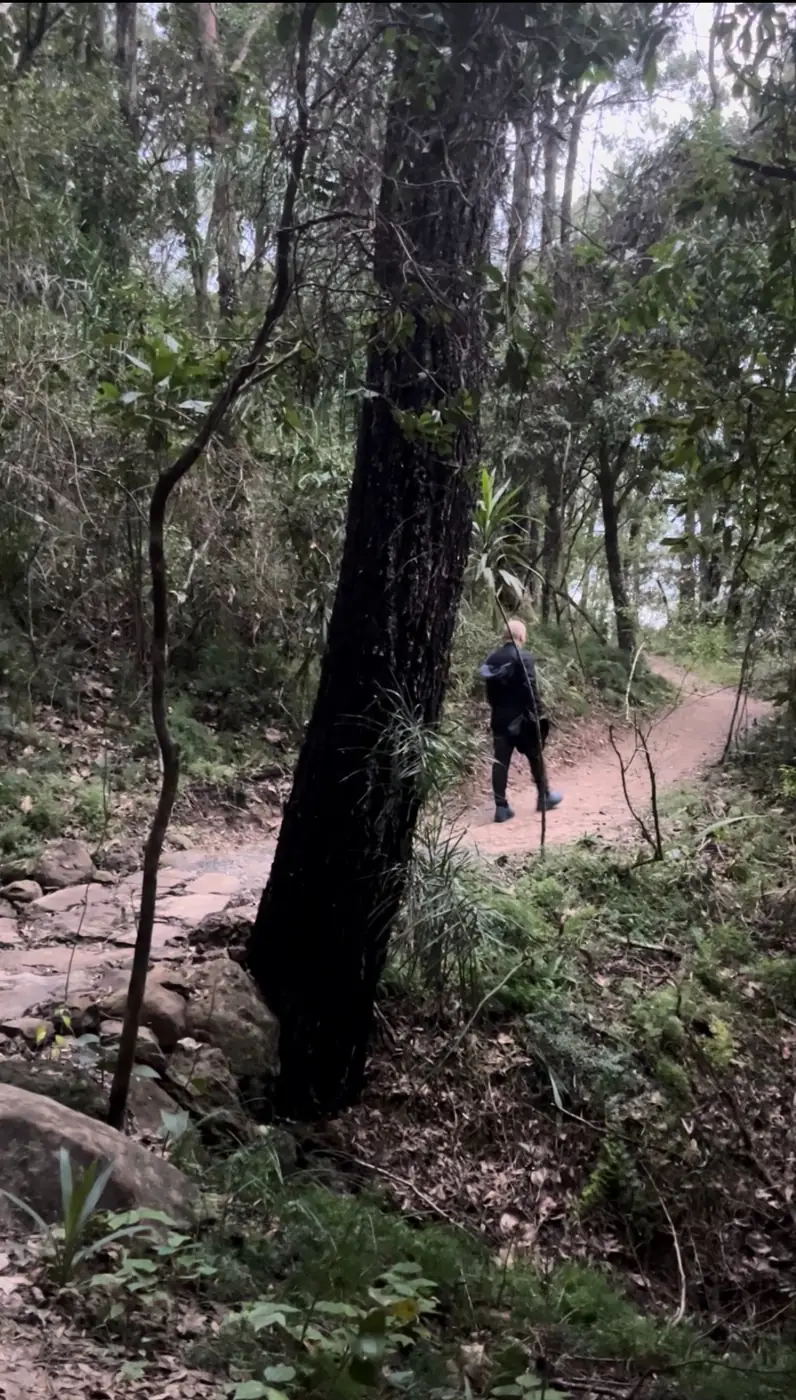
One of the ways I maintain my own well-being is by spending time outdoors. I do not just recommend nature-based practices. I rely on them myself. This simple and powerful habit has become a foundation for how I remain grounded, steady, and able to show up effectively in my work and in my life.
Nature and Mental Health: Evidence Behind the Practice
Research consistently shows that natural environments have measurable benefits for psychological health. Exposure to nature has been shown to:
- Reduce cortisol and physiological stress responses [1]
- Improve attention and executive functioning [2]
- Reduce symptoms of anxiety and depression [3]
- Enhance mood and emotional regulation [4]
- Support parasympathetic nervous system recovery [5]
Research into nature-based practices aligns with broader explorations of connection with the natural world. Read Nature Thursday | Connecting with Nature for more insights.
How I Use Nature as Self-Care in Clinical Practice
For me, nature offers a quiet and reliable form of regulation. Whether it is:
- Walking among trees or along a river or lake
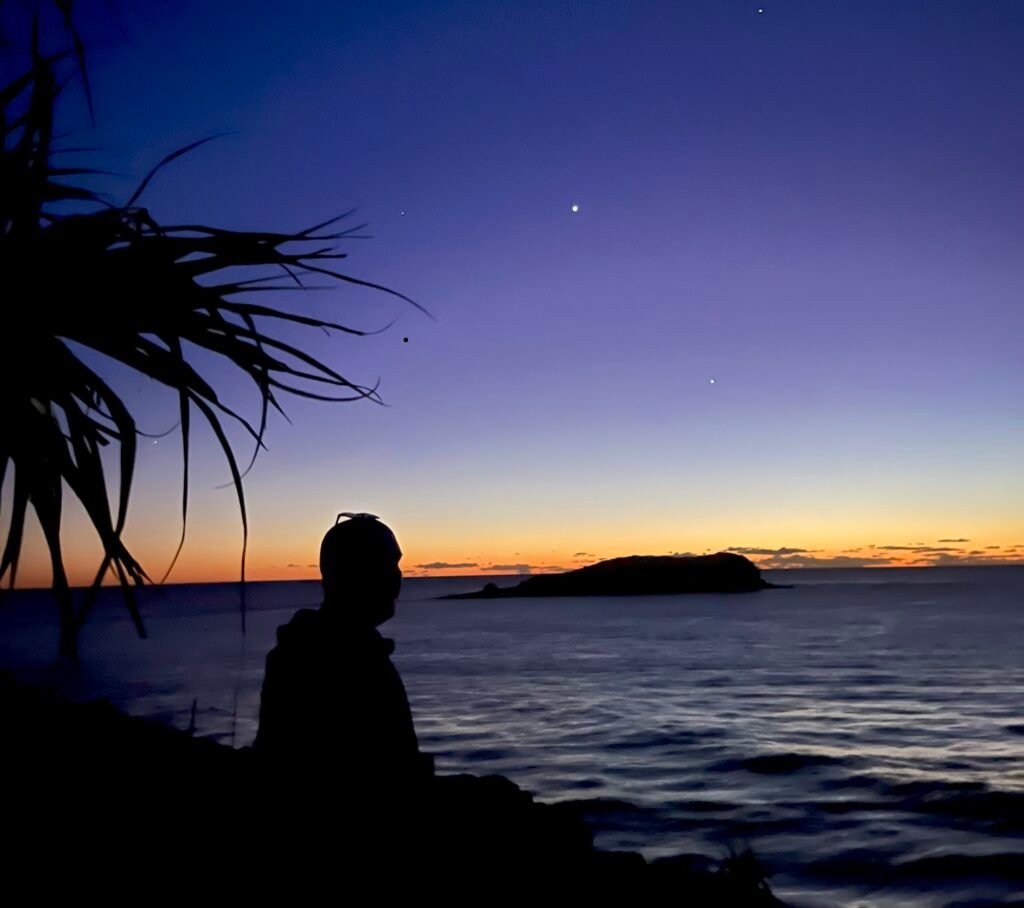
- Listening to waves on a quiet beach
- Feeling sunlight warming my skin
Each of these experiences helps me steady myself. These small moments provide space to breathe out, recalibrate, and reconnect with the values that guide my work.
Practising simple, grounding moments can enhance well-being, much like other small self-care habits such as those described in Mindful Self-Care | Simple Things Matter for Wellbeing.
In a profession where burnout is an ever-present risk, these practices are not merely a pleasant option. They are essential for self-preservation.
Burnout Prevention in the Helping Professions
People working in helping roles give a great deal of emotional energy. Without deliberate repair, they may experience compassion fatigue, emotional exhaustion, and reduced effectiveness.
- Setting boundaries around rest, workload, and recovery
- Using mindfulness and grounding practices
- Spending time in natural environments
- Seeking supervision or therapy for professional support
- Maintaining restorative routines outside of work
For additional support through movement, regular walking has been shown to benefit psychological health and emotional balance. Learn more in Regular Walking and Psychological Health.
If you are seeking support with burnout, anxiety, or stress, therapy can help strengthen emotional regulation, coping strategies, and sustainable well-being.
Your Turn: How Do You Recharge?
Many clinicians and helping professionals have their own versions of a mental reset. What helps you steady yourself after holding space for others? I welcome you to share your experiences or connect with me on Instagram, LinkedIn, or Facebook to continue the discussion.
Understanding how thoughts influence mood supports emotional regulation alongside nature-based strategies. See Thoughts Are Just Our Minds Making Meaning.
Nature as a Tool for Sustainable Support
Nature is one of the most accessible tools we have to regulate, reflect, and restore. It is a reminder that we are part of something bigger, and that caring for our own well-being allows us to better support others.
Frequently Asked Questions
What are the mental health benefits of spending time in nature?
Research suggests nature exposure can help reduce physiological stress, support attention, improve mood, and assist emotional regulation.
How much time in nature do I need for benefits?
Even brief and regular exposure can be helpful. Consistency tends to matter more than intensity.
Can nature-based routines support burnout prevention?
Yes. Small, repeated practices that support nervous system recovery can help protect well-being over time.
Is nature helpful for emotional regulation and overthinking?
Nature can support grounding and present-moment attention. Learning how thoughts influence mood can also strengthen emotional regulation.
Do you offer therapy on the Gold Coast?
Yes, we are a Gold Coast Clinical Psychologist clinic conveniently positioned in Varsity Lakes. Therapy is available in person at Varsity Lakes or anywhere in Australia via telehealth.
References
- Hunter, M. R., Gillespie, B. W., & Chen, S. Y. P. (2019). Urban nature experiences reduce stress in the context of daily life based on salivary biomarkers. Frontiers in Psychology, 10, 722. https://doi.org/10.3389/fpsyg.2019.00722
- Kaplan, S. (1995). The restorative benefits of nature: Toward an integrative framework. Journal of Environmental Psychology, 15(3), 169 to 182. https://doi.org/10.1016/0272-4944(95)90001-2
- Twohig-Bennett, C., & Jones, A. (2018). The health benefits of the great outdoors: A systematic review and meta-analysis of greenspace exposure and health outcomes. Environmental Research, 166, 628 to 637. https://doi.org/10.1016/j.envres.2018.06.030
- McMahan, E. A., & Estes, D. (2015). The effect of contact with natural environments on positive and negative affect: A meta-analysis. The Journal of Positive Psychology, 10(6), 507 to 519. https://doi.org/10.1080/17439760.2014.994224
- Yeh, H. P., Stone, J. A., Churchill, S. M., Brymer, E., & Davids, K. (2016). Physical and mental health benefits of spending time in forests: A review of the literature. International Journal of Environmental Research and Public Health, 13(8), 781. https://doi.org/10.3390/ijerph13080781
Enquiries and Appointments
We are a Gold Coast Clinical and General Psychologist clinic conveniently positioned in Varsity Lakes.
Therapy is available in person at Varsity Lakes or via telehealth anywhere in Australia.
The easiest way to book an appointment is online.